1
Voltage Gate
PASSDevice output type must match generator output.
120V required -> 120V/240V available
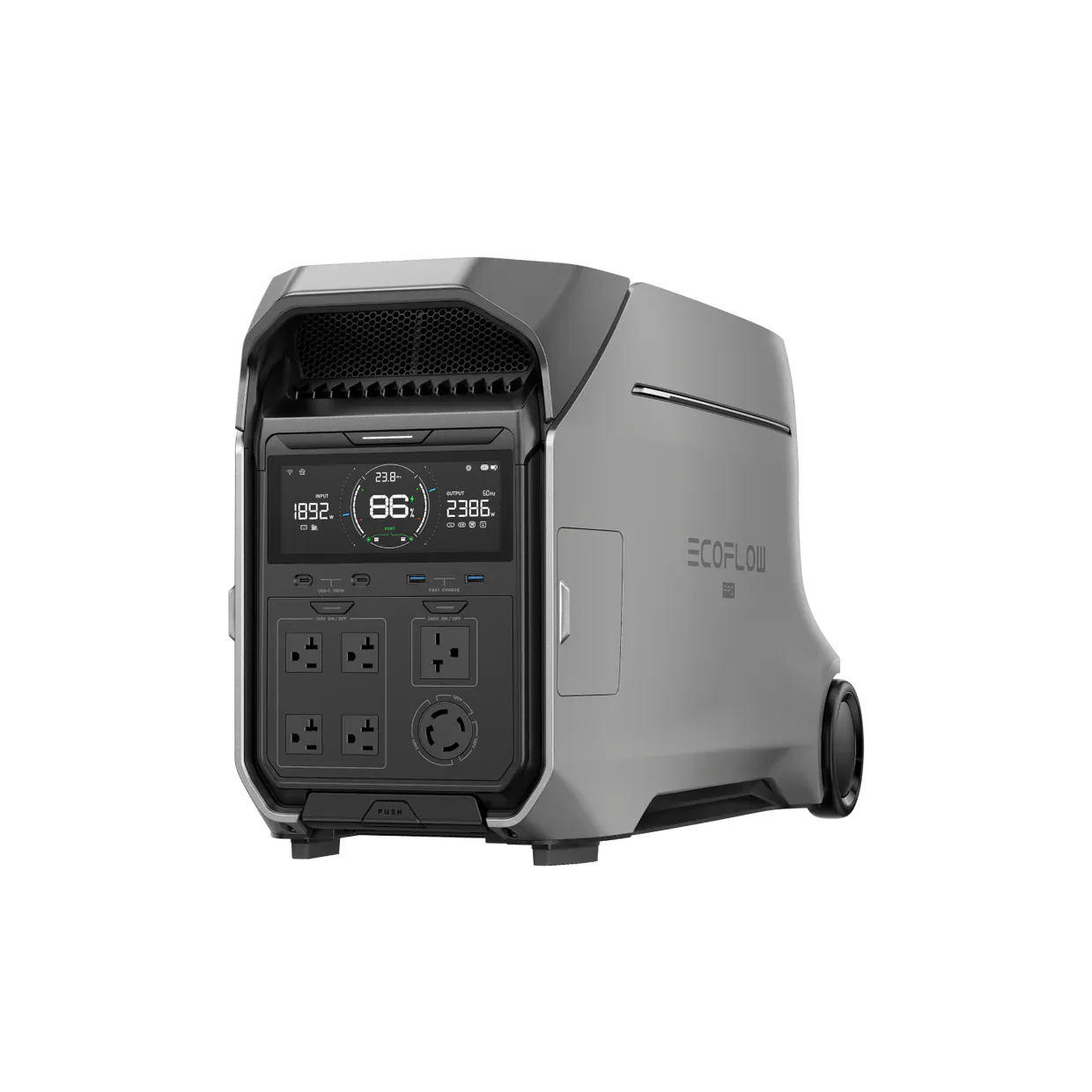
Yes - Zendure SuperBase V4600 has enough running and surge power for the Electric Wheelchair Charger. Target ~393W running / 393W surge; the generator provides 3800W / 3800W.
Same decision gates as the engine: voltage, running, surge. Runtime is shown as operational context.
Device output type must match generator output.
120V required -> 120V/240V available
Continuous draw with safety buffer applied.
393W required -> 3,800W available (3,407W headroom)
Startup peak with safety buffer applied.
393W required -> 3,800W available (3,407W headroom)
Runtime context only. It does not change the electrical compatibility verdict.
Continuous estimate: 9.5h
Device profile reference: up to 8h per day.
Power bars show required versus available output for each gate.
View full compatibility reportQuick compatibility, required headroom, and model-specific context at a glance.
3 of 3 models are SAFE or TIGHT. Most demanding model: Permobil VoltPro (616270 / 616347) (341W surge).
| Model | Running | Surge | Verdict | Runtime | Source |
|---|---|---|---|---|---|
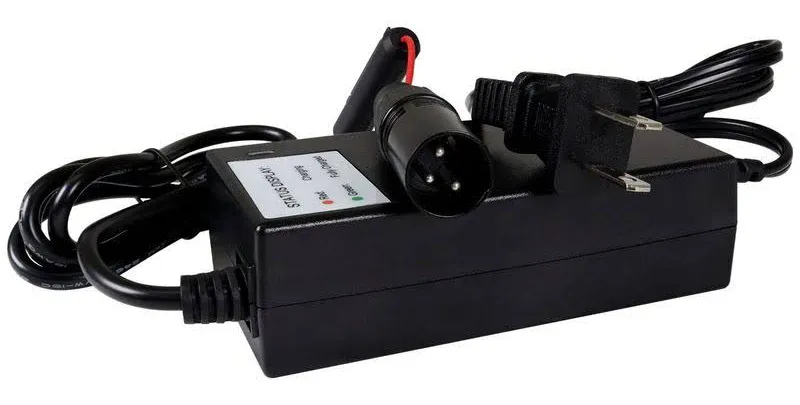
| Pride / UPG 24BC3500L-1 (24V 3.5A Lithium) | 121W | 121W | Safe | ~26.7h | Engineering Est. |
Show expert analysisTechnical: **Running load:** ~121W AC estimated from 101W DC output (28.8V × 3.5A) at ~83% charger efficiency. **Surge:** ~121W (switch-mode charger, no inrush). **Voltage:** 120V AC (universal 100-240V input). This is a lithium-only charger for Go-Go Endurance scooters and Jazzy EVO Series 613 power chairs. Field note: This charger is lithium-only — do not connect to lead-acid batteries. At 121W it is the lightest load in the set and compatible with virtually any power station above 200W continuous output. Verify pure sine wave output for medical equipment. Can I charge a lithium wheelchair battery with a portable power station? Only if your power source can supply at least 121W continuous at 120V. Lithium wheelchair chargers draw less than lead-acid equivalents and are well-suited to portable power, but always maintain a backup source for medical mobility equipment. | |||||
| Pride / UPG 24BC5000T-4 (24V 5A) | 180W | 180W | Safe | ~17.9h | Engineering Est. |
Show expert analysisTechnical: **Running load:** ~180W AC estimated from 148W DC output (29.6V × 5.0A) at ~83% charger efficiency. **Surge:** ~180W (switch-mode charger, no inrush). **Voltage:** 120V AC (universal 100-240V input). Three-stage charge cycle with DOE-mandated 20-hour auto-cutoff. Field note: This is the most common charger size for standard power wheelchairs with Group 22NF or Group 24 lead-acid batteries. At 180W, a 1,500 Wh power station provides roughly 8 hours of charging — enough for a full overnight cycle. How long can a portable power station run this wheelchair charger? Only if your power source can supply at least 180W continuous at 120V. A 1,500 Wh power station provides approximately 8 hours at full draw, sufficient for a complete charge cycle on most standard wheelchair batteries. | |||||
| Permobil VoltPro (616270 / 616347) | 341W | 341W | Safe | ~9.5h | OEM Manual |
Show expert analysisTechnical: **Running load:** 341W AC worst-case (300W max DC output at OEM minimum 88% efficiency). **Surge:** 341W (switch-mode charger, no inrush). **Voltage:** 120V AC only (110-126V tolerance range). This is a 10A charger designed for Permobil power wheelchairs with large battery banks (30-100 Ah at C₂₀ rate). Field note: The VoltPro is the highest-draw wheelchair charger in this comparison. Most mid-range power stations (under 500W continuous) can handle it, but the energy demand is substantial. For a full overnight charge during an outage, budget at least 2,500 Wh of usable station capacity. Why does the Permobil VoltPro draw so much more than other wheelchair chargers? Only if your power source can supply at least 341W continuous at 120V. The VoltPro is a 10A high-current charger designed for large power wheelchair batteries (up to 100 Ah). It charges faster but demands more from the power source than standard 3.5A or 5A chargers. | |||||
This unit ranks #20 of 29 compatible generators for this device by buffered margin (Overkill class).
29 of 33 generators are SAFE+TIGHT for Electric Wheelchair Charger.
Fit class uses buffered needs (running and surge) for this device.
Daily Mobility Charging
Select Your Model:
Free Tools
At 3800W continuous, the SuperBase V4600 handles most residential loads comfortably. The conservative surge rating (no hardware surge above continuous) means high-inrush devices like air compressors and well pumps may trigger protection cutoffs — always check surge requirements. The 4608Wh base capacity provides 12+ hours for moderate loads, and the modular B4600 satellite system scales to 23kWh for multi-day outages. Solar input accepts up to 1500W (150V × 10A) via XT90, though the single-port design limits parallel panel configurations.
The SuperBase V4600 uses LiFePO4 chemistry rated for 3,000+ cycles. The GridFlow 2.0 system provides 1ms UPS switchover, making it suitable for sensitive medical and computing equipment. The 120V/240V selective output supports both standard and high-voltage appliances. Source: Zendure official US product page (manufacturer documentation).
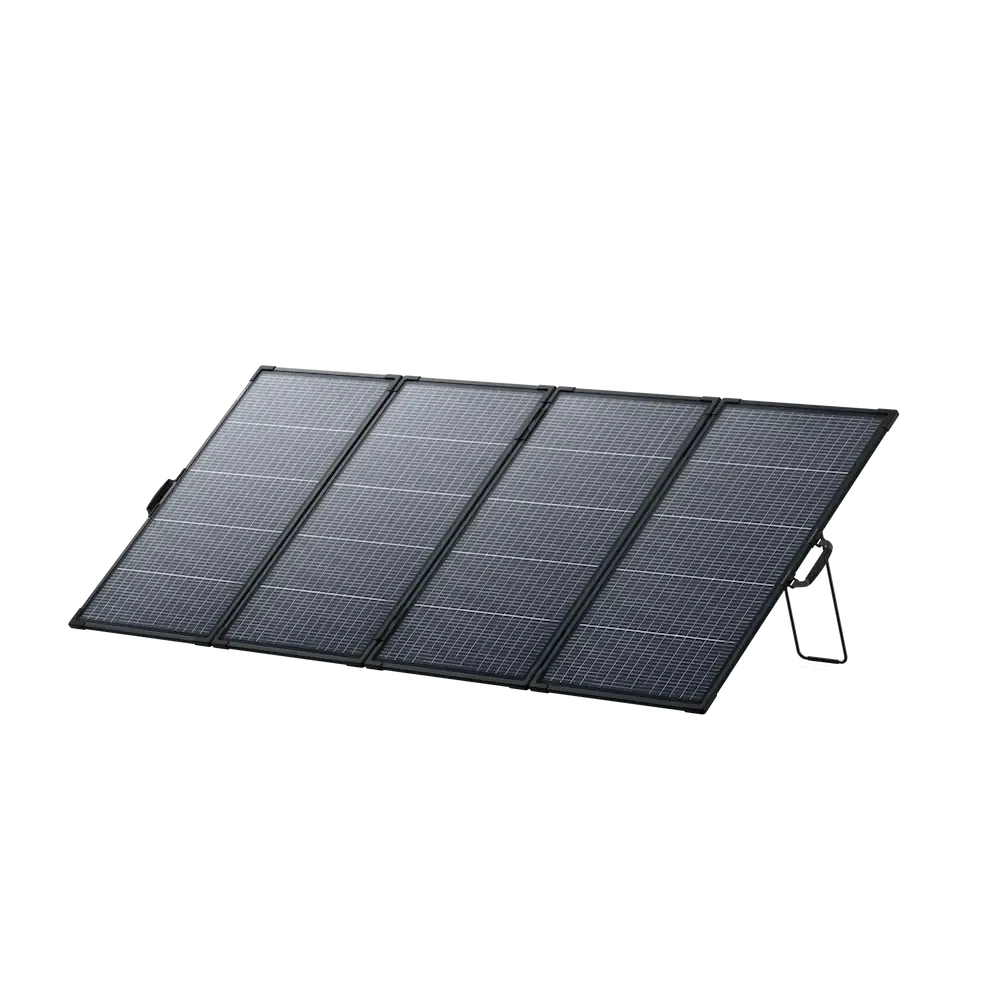
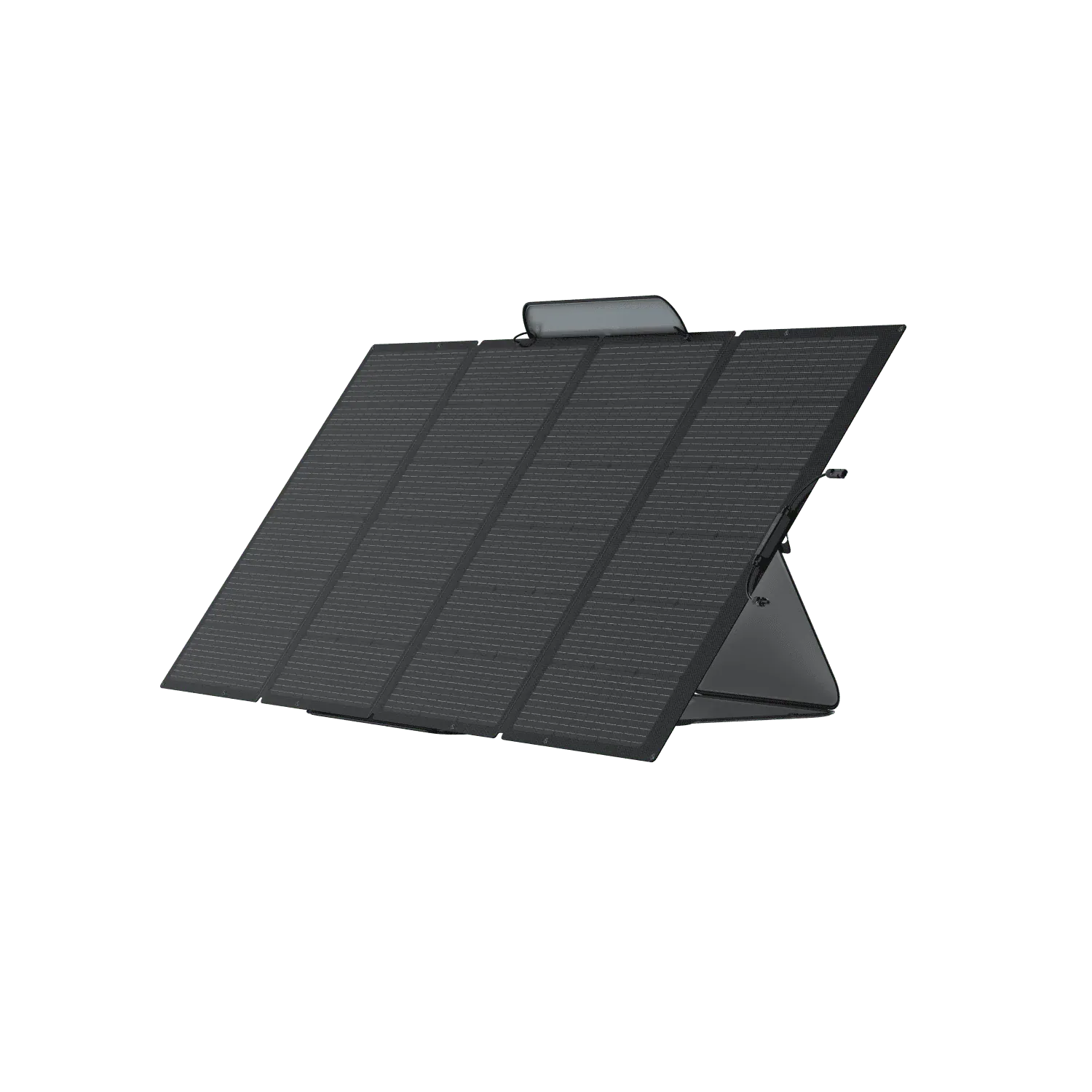
Keep your Electric Wheelchair Charger running with solar • MPPT: 12– 150V • Max: 1500W
 Smart Value
 400W Panel
Adapter required: MC4 -> XT90.
 Smart Value
 400W Panel
Adapter required: MC4 -> XT90.
Yes. The Zendure SuperBase V4600 provides 3800W running / 3800W surge. The Electric Wheelchair Charger needs 393W / 393W (including 15% buffer). That leaves 3407W of running headroom and 3407W of surge margin.
Approximately 9.5 hours, based on the Electric Wheelchair Charger's 341W draw and the Zendure SuperBase V4600's 4608Wh capacity (70% usable after real-world losses).
With 1275W allocated to the Electric Wheelchair Charger, the Zendure SuperBase V4600 still has ~1424W of margin. These devices could run simultaneously:
Pro Tip for Medical Users: According to energy reports, turning off the humidifier on your Electric Wheelchair Charger can double your runtime. Using a DC cable instead of the AC plug is also recommended to avoid inverter inefficiency.
Compare all 33 generators for the Electric Wheelchair Charger
Ranked by budget, runtime, and overall compatibility.
Derived from variant list (max of variants). Worst case = Permobil VoltPro 616270/616347 (341W running, 341W surge).
Zendure SuperBase V Official Product Page (US) — full specifications
Similar-output alternatives you can compare side by side.