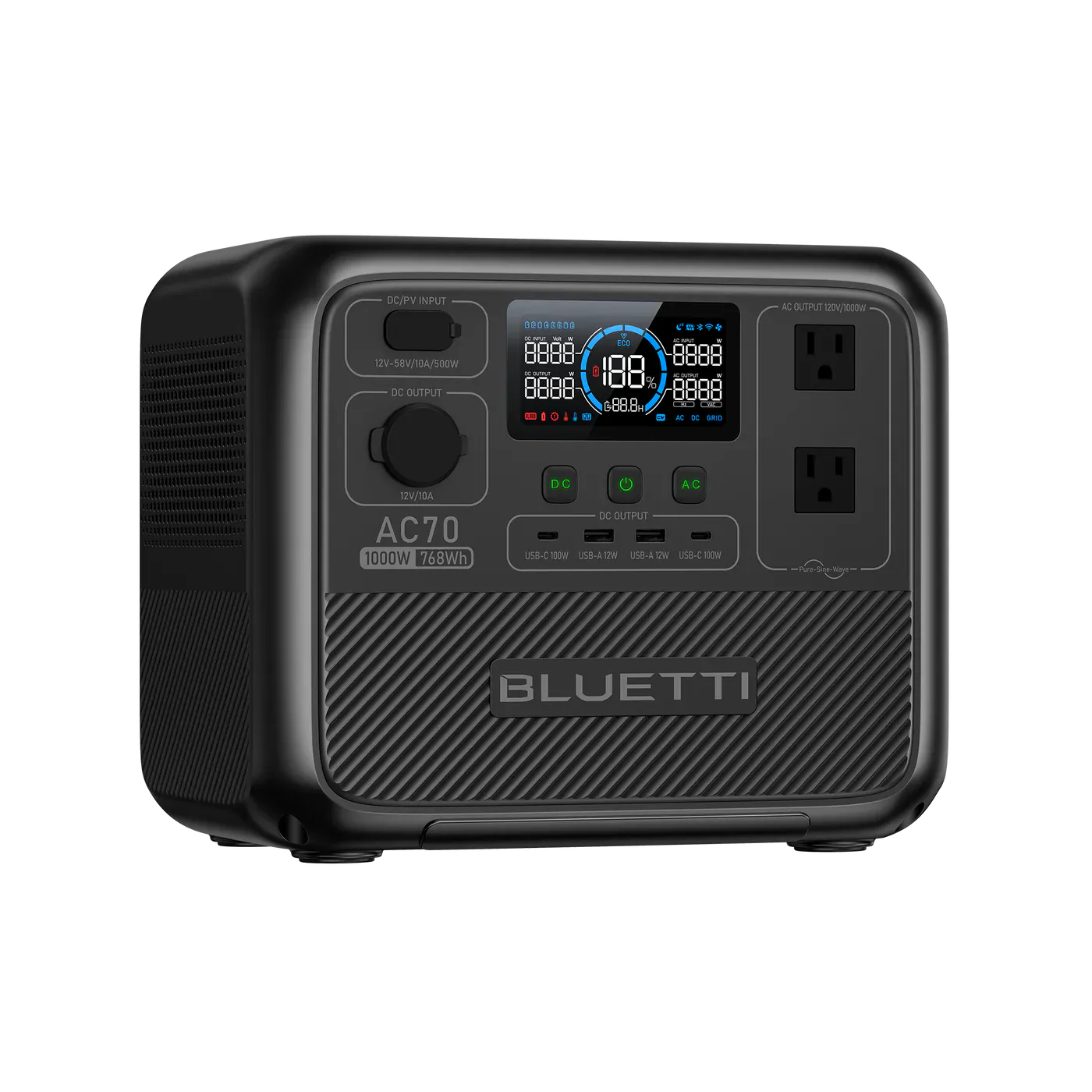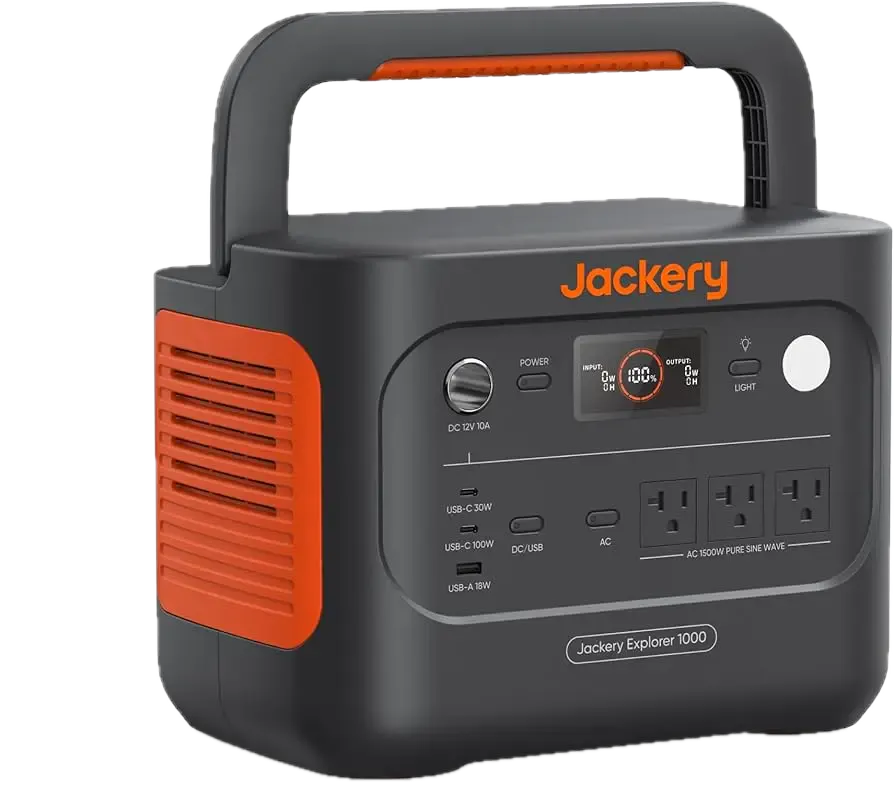
1
Voltage Gate
PASSDevice output type must match generator output.
120V required -> 120V available
This pairing clears the safety headroom. Required ~111W running and 345W surge; the SOLIX C800 Plus is rated 1200W / 1600W.
Same decision gates as the engine: voltage, running, surge. Runtime is shown as operational context.
Device output type must match generator output.
120V required -> 120V available
Continuous draw with safety buffer applied.
111W required -> 1,200W available (1,089W headroom)
Startup peak with safety buffer applied.
345W required -> 1,600W available (1,255W headroom)
Runtime context only. It does not change the electrical compatibility verdict.
Continuous estimate: 5.6h
Device profile reference: up to 6h per day.
Power bars show required versus available output for each gate.
View full compatibility reportQuick compatibility, required headroom, and model-specific context at a glance.
3 of 3 models are SAFE or TIGHT. Most demanding model: Traeger Legacy (Non-WiFIRE, AC motor) (300W surge).
| Model | Running | Surge | Verdict | Runtime | Source |
|---|---|---|---|---|---|
| Traeger Touchscreen Class (Pro 780, Ironwood 650/885) | 20W | 95W | Safe | ~26.9h | Engineering Est. |
Show expert analysisTechnical: **Running load:** ~20 W (estimated cook phase — auger motor + fan + controller after igniter shuts off). **Surge:** 95 W (igniter startup phase, first 4 minutes). Requires 120V AC output. After the igniter cycle, power drops dramatically. Field note: Current-generation Traeger grills are extremely efficient. Even a compact 300Wh power station can run a full 6-hour cook on a single charge. The 95W igniter startup is the only meaningful load. Can I run a Traeger Pro 780 on a portable power station? Yes — after the 4-minute ignition cycle (95W), the grill draws only ~20W. Most power stations handle this easily for extended cooks. | |||||
| Traeger D2 Class (WiFIRE, non-touchscreen) | 20W | 110W | Safe | ~26.9h | Engineering Est. |
Show expert analysisTechnical: **Running load:** 20 W (cook phase — 0.17A high end of OEM range × 120V). **Surge:** 110 W (igniter startup). Requires 120V AC output. D2 Direct Drive uses DC brushless motors that are more efficient than Legacy AC motors. Field note: D2 grills sit between Legacy (300W startup) and Touchscreen (95W startup). The cooking draw is nearly identical to Touchscreen class — the difference is only in the igniter startup phase. What's the difference between D2 and Touchscreen power draw? D2 startup is 110W vs 95W for Touchscreen. After ignition, both draw approximately 10-20W during cooking. The difference is negligible for power station sizing. | |||||
| Traeger Legacy (Non-WiFIRE, AC motor) | 96W | 300W | Safe | ~5.6h | Engineering Est. |
Show expert analysisTechnical: **Running load:** 96 W (cook phase — 0.8A high end of OEM range × 120V). **Surge:** 300 W (igniter startup, OEM published). Requires 120V AC output. Legacy AC motors draw 5-8x more than modern D2/Touchscreen grills during cooking. Field note: If you have an older non-WiFIRE Traeger, plan for 300W surge and 96W continuous. This is 5x the cooking draw of a modern Touchscreen model. A 500Wh station barely covers a 6-hour cook — a 1000Wh station is safer. Why does my old Traeger draw so much more than new models? Legacy non-WiFIRE Traegers use AC motors and a higher-wattage igniter (300W vs 95-110W). The cooking phase draws 48-96W vs 10-20W for D2/Touchscreen. Upgrading to a current model dramatically reduces power needs. | |||||
This unit ranks #9 of 33 compatible generators for this device by buffered margin (Overkill class).
33 of 33 generators are SAFE+TIGHT for Pellet Grill.
Fit class uses buffered needs (running and surge) for this device.
Outdoor BBQ Session
Select Your Model:
Free Tools
The 1600W surge rating can support startup sequences for refrigerator compressors, well pumps, and similar inductive motor loads that draw 25 to 33 percent over running current during initial engagement. Once running, the 1200W continuous output can handle typical kitchen appliances, electronics, and power tools within rated limits. This combination addresses both inrush events and sustained runtime needs in backup scenarios.
This unit uses LFP chemistry, a battery architecture chosen for thermal stability in consumer power stations. The 768Wh capacity and 1200W continuous output allow sustained operation without thermal stress under typical residential loads. Source: Anker SOLIX C800 Plus Tech Specs (manufacturer documentation).
Keep your Pellet Grill running with solar • MPPT: 11– 60V • Max: 300W
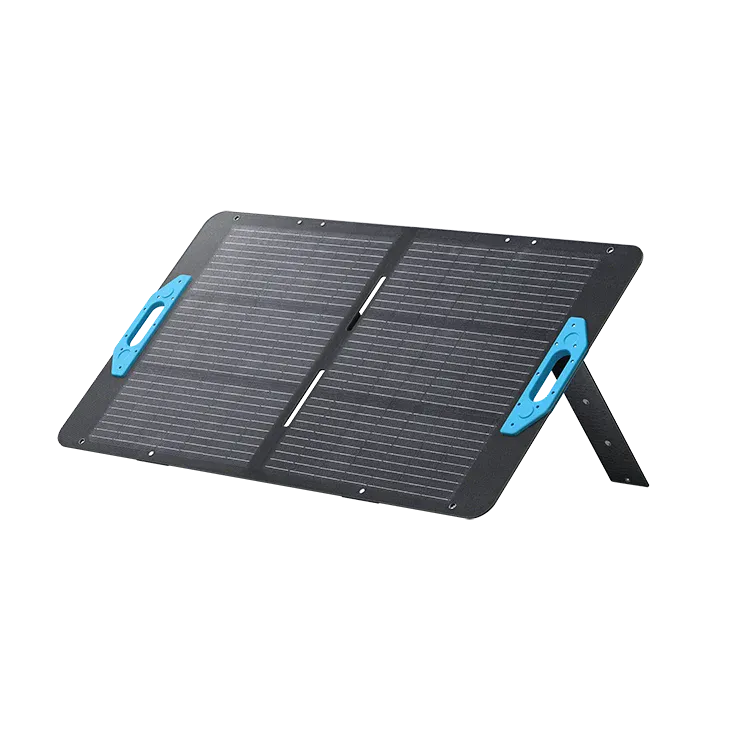 Official
 100W Panel
Adapter required: MC4 -> XT60.
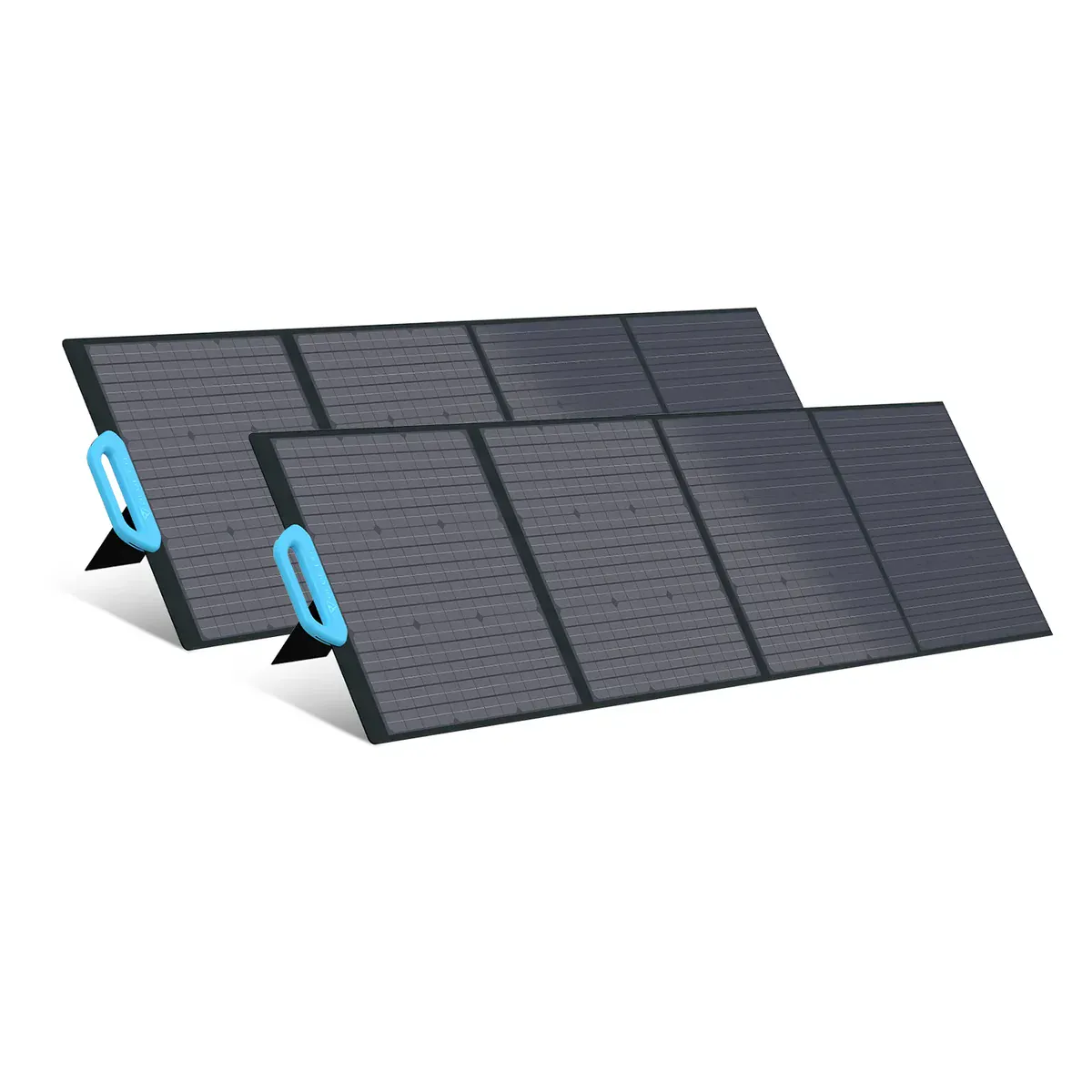 Smart Value
 200W Panel
Adapter required: MC4 -> XT60.
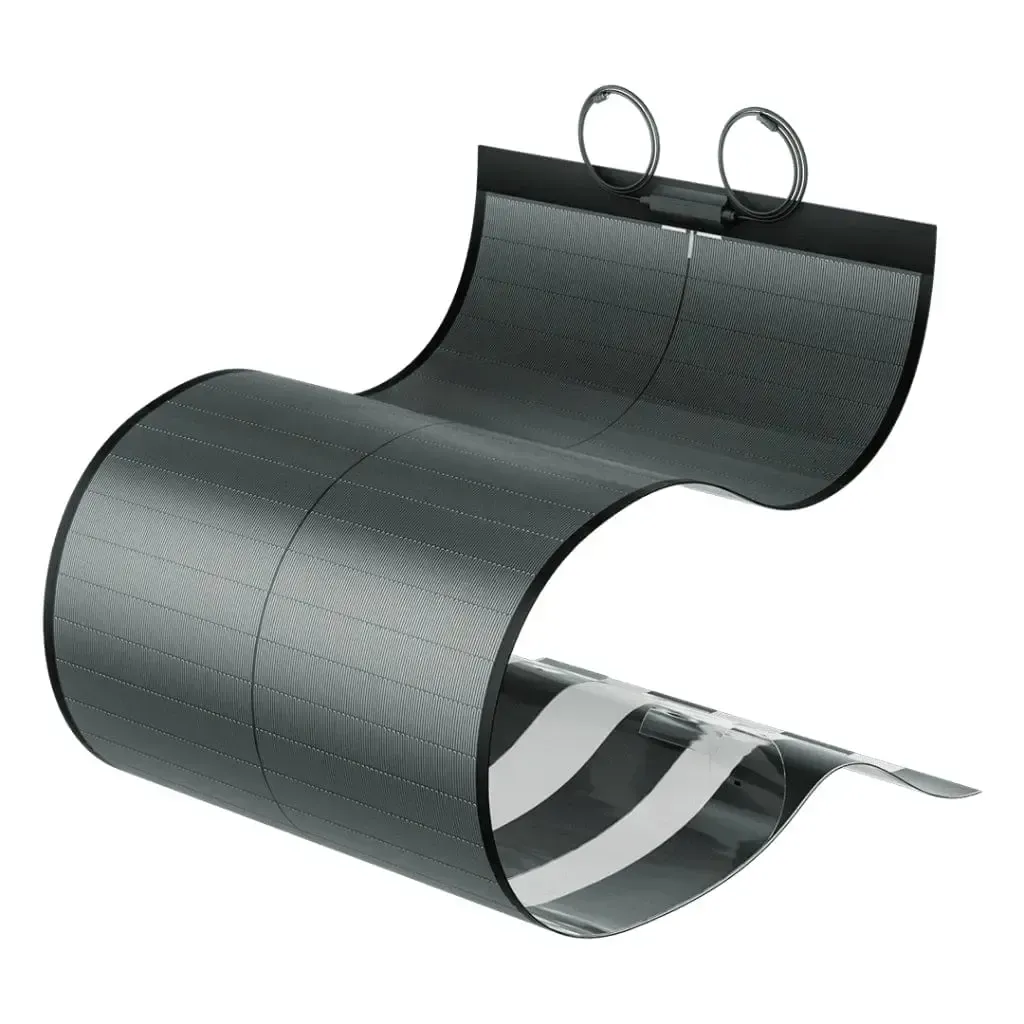 Smart Value
 200W Panel
Adapter required: MC4 -> XT60.
Yes. The Anker SOLIX C800 Plus provides 1200W running / 1600W surge. The Pellet Grill needs 111W / 345W (including 15% buffer). That leaves 1089W of running headroom and 1255W of surge margin.
Approximately 5.6 hours, based on the Pellet Grill's 96W draw and the SOLIX C800 Plus's 768Wh capacity (70% usable after real-world losses).
With 855W allocated to the Pellet Grill, the SOLIX C800 Plus still has ~9W of margin. These devices could run simultaneously:
Power Tip: To get the most out of your SOLIX C800 Plus, keep it in a well-ventilated area. Extreme temperatures can slightly reduce the efficiency of the LFP/NMC cells.
Compare all 33 generators for the Pellet Grill
Ranked by budget, runtime, and overall compatibility.
Derived from variant list (max of variants). Running worst case = Traeger Legacy Non-WiFIRE (96W cook phase, 0.8A × 120V). Surge worst case = Traeger Legacy Non-WiFIRE (300W igniter startup, OEM direct).
Anker SOLIX C800 Plus User Manual (EN-US)
Similar-output alternatives you can compare side by side.