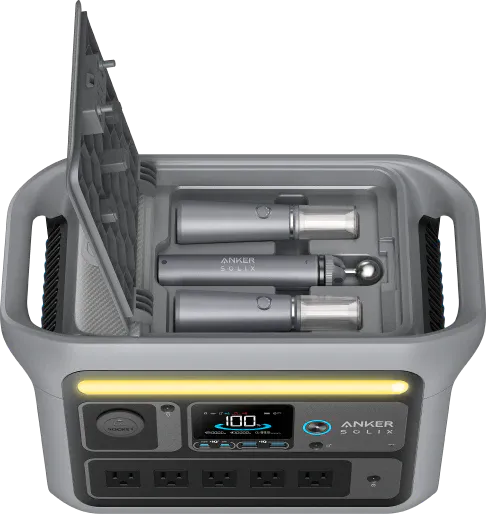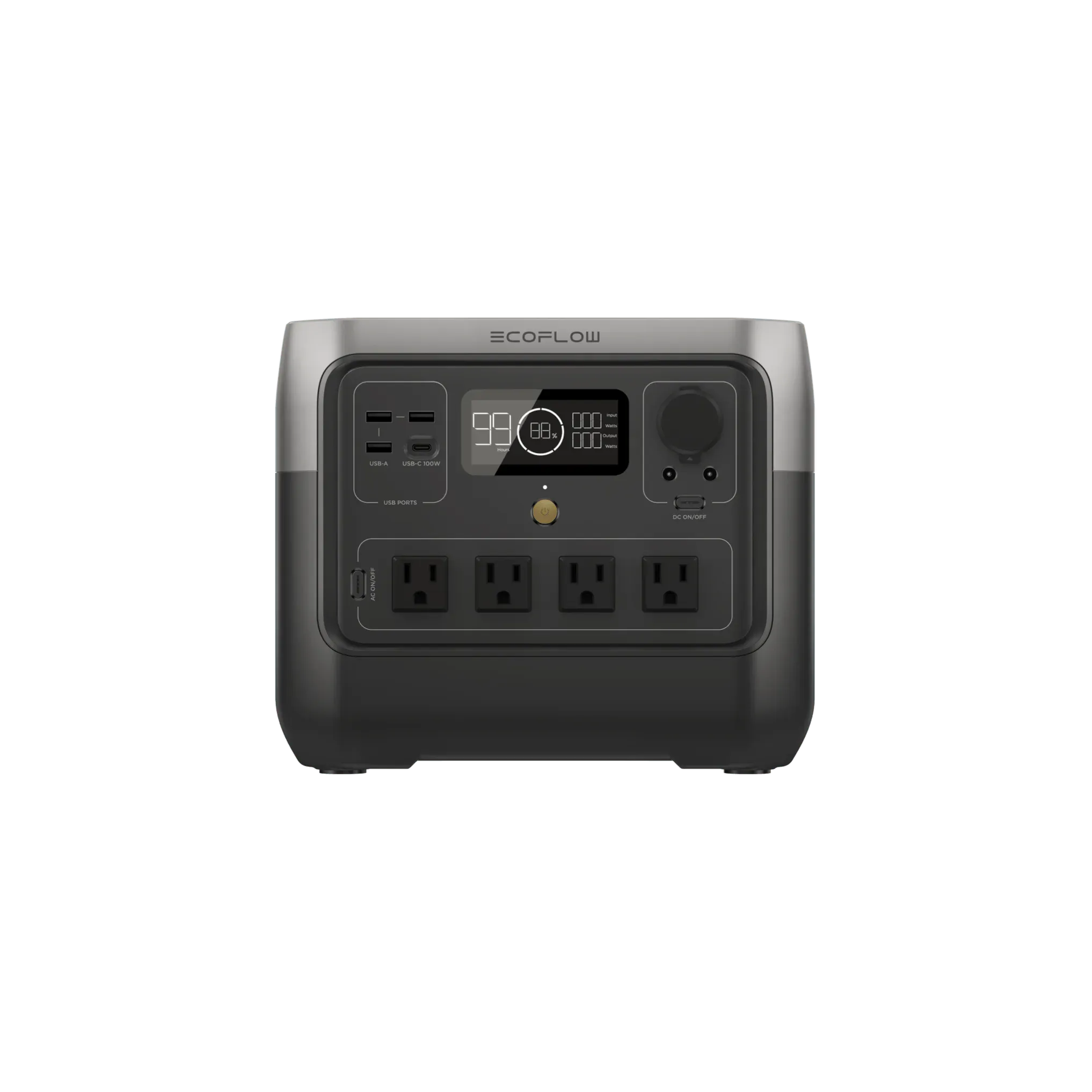
1
Voltage Gate
PASSDevice output type must match generator output.
120V required -> 120V available
No - this pairing is underpowered. Safe target ~1601W running / 4803W surge; the generator provides 1000W / 2000W.
Same decision gates as the engine: voltage, running, surge. Runtime is shown as operational context.
Device output type must match generator output.
120V required -> 120V available
Continuous draw with safety buffer applied.
1,601W required -> 1,000W available (601W short)
Startup peak with safety buffer applied.
4,803W required -> 2,000W available (2,803W short)
Runtime context only. It does not change the electrical compatibility verdict.
Runtime estimate appears after running and surge gates pass.
Power bars show required versus available output for each gate.
See generators that pass nativelyQuick compatibility, required headroom, and model-specific context at a glance.
0 of 3 models are SAFE or TIGHT. Most demanding model: Shop-Vac SVX2 (12-Gal, 5.5 HP Peak) (4,176W surge).
| Model | Running | Surge | Verdict | Runtime | Source |
|---|---|---|---|---|---|
| DeWalt DXV10P (10-Gal, 5.5 HP, 2-Stage Quiet) | 1,200W | 3,600W | Fail | — | Engineering Est. |
Show expert analysisTechnical: **Running load:** 1200W from OEM nameplate (10A × 120V). **Estimated startup surge:** 3600W at 3x running (motor-load multiplier — no OEM starting watts published). **Voltage:** 120V AC. 2-stage motor, 90 CFM airflow, 73 dB noise rating — quietest in this set. Field note: The DXV10P is the most power-station-friendly shop vac in this set. At 1200W running and an estimated 3600W surge, it works with most power stations rated 2000W+ with adequate surge capacity. The 2-stage motor runs quieter (73 dB) and may have lower actual inrush than single-stage models, though no OEM data confirms this. Can a portable power station run the DeWalt DXV10P? Only if your power source can supply at least 1200W continuous and approximately 3600W surge at 120V. The motor startup surge is the main challenge, not the running watts. | |||||
| Vacmaster Beast VFB511B (5-Gal, 6 HP Peak, Compact) | 1,320W | 3,960W | Fail | — | Engineering Est. |
Show expert analysisTechnical: **Running load:** 1320W from OEM specs (11A × 120V). **Estimated startup surge:** 3960W at 3x running (motor-load multiplier — no OEM starting watts published). **Voltage:** 120V AC. Single-stage motor, 102 CFM airflow, 320 Air Watts, 82 in. water lift. Field note: The Beast packs the most suction power per pound in this set — 102 CFM from a 12 lb unit. At 1320W running it draws 10% more than the DeWalt but delivers 13% more airflow. The compact 5-gallon tank makes it portable but limits continuous use on large jobs. Is the Vacmaster Beast harder to run on a power station than the DeWalt? Slightly — 1320W versus 1200W running, with an estimated 3960W versus 3600W surge. Both need a power station with at least 2000W continuous and 4000W+ surge for reliable startup. | |||||
| Shop-Vac SVX2 (12-Gal, 5.5 HP Peak) | 1,392W | 4,176W | Fail | — | Engineering Est. |
Show expert analysisTechnical: **Running load:** 1392W from OEM specs (11.6A × 120V). **Estimated startup surge:** 4176W at 3x running (motor-load multiplier — no OEM starting watts published). **Voltage:** 120V AC. SVX2 motor, 12-gallon tank — the highest-draw unit in this set. Field note: The SVX2 draws the most power in this set at 11.6A. Its estimated 4176W startup surge puts it beyond most mid-range power stations. If you need a shop vac specifically for portable power use, the 10A DeWalt is a safer choice. The SVX2 is best paired with stations rated 2500W+ continuous with 5000W surge. Why does the Shop-Vac draw more than the 6 HP Vacmaster? Peak HP is a marketing metric, not an electrical measurement. The SVX2 at 11.6A draws more real power than the 6 HP Beast at 11A. Always check nameplate amps, not HP ratings, for power station sizing. | |||||
This unit is outside the compatible set; 12 of 33 generators pass SAFE/TIGHT for this device.
12 of 33 generators are SAFE+TIGHT for Shop Vac (Wet/Dry, 5-6 HP Peak).
Fit class uses buffered needs (running and surge) for this device.
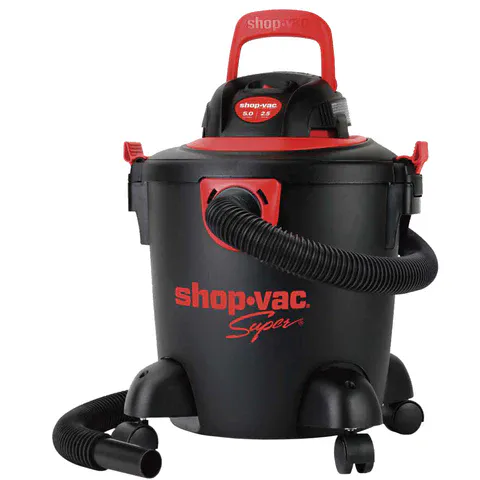
Workshop Cleanup
Select Your Model:
These generators meet Shop Vac (Wet/Dry, 5-6 HP Peak)'s voltage, running, and surge requirements.
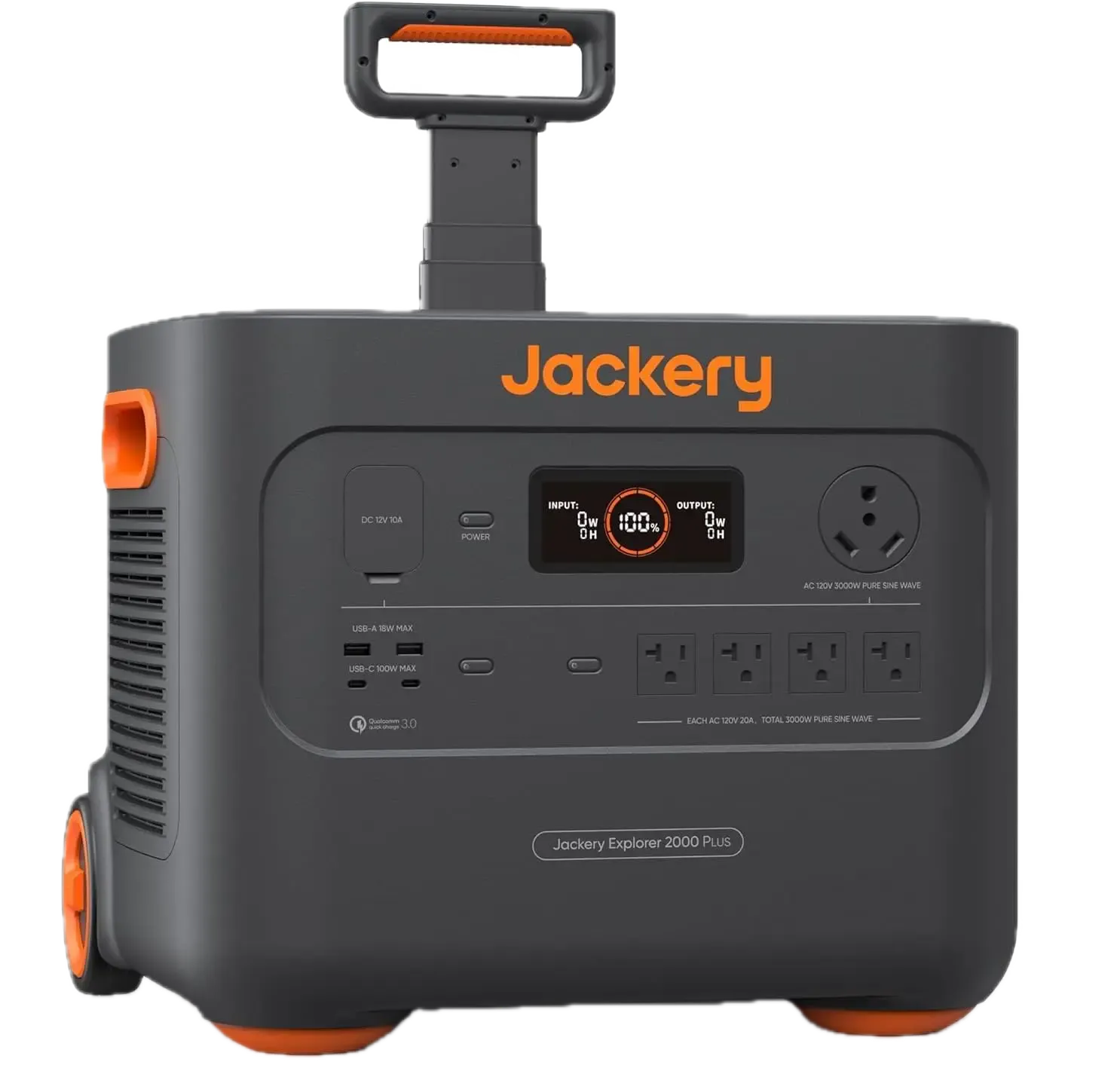
3000W • 2042Wh
Lowest capacity that still clears surge + running load.
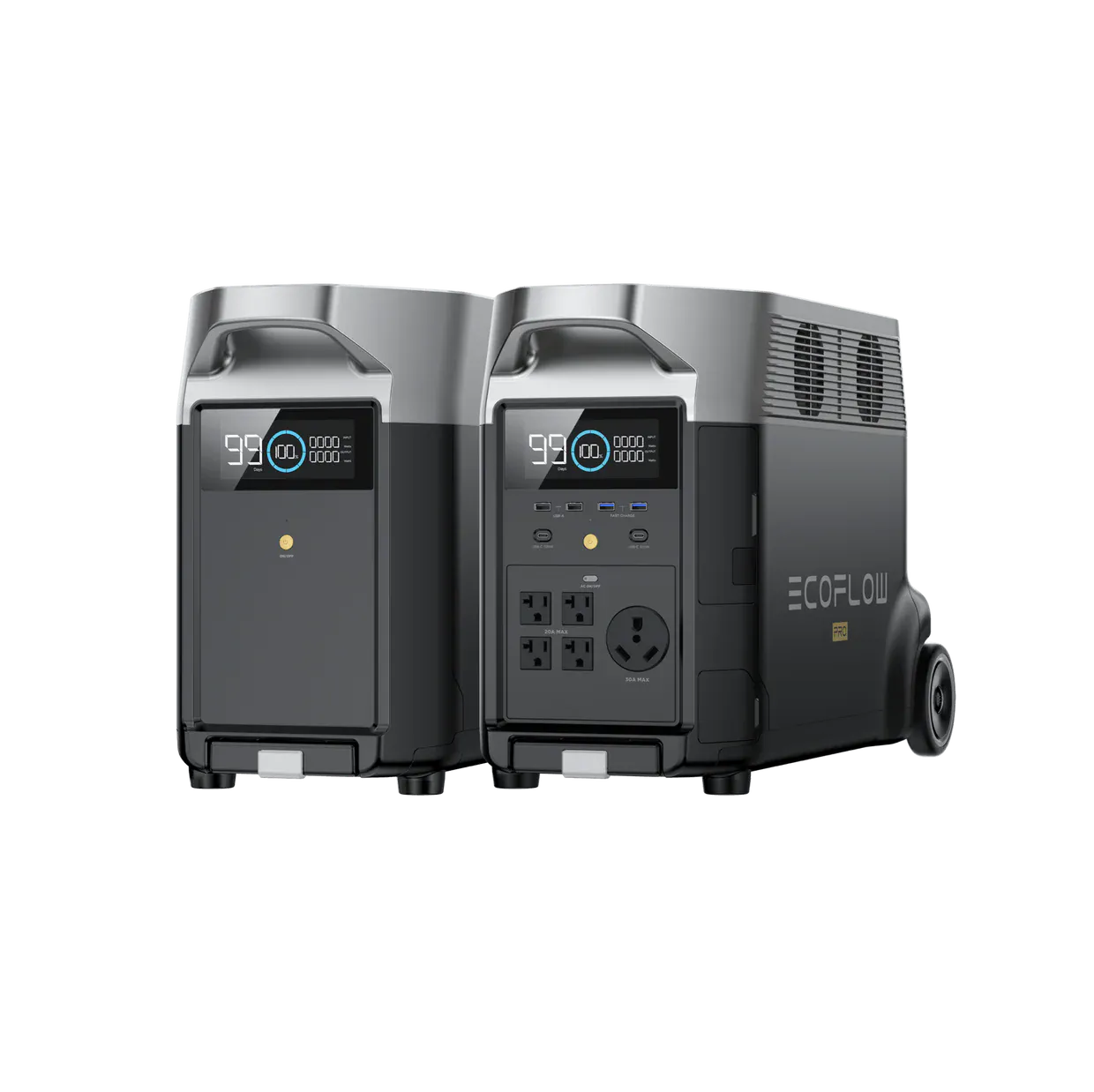
3600W • 3600Wh
Expandable to 25000Wh.
Free Tools
With 2000W of surge capacity, the AC70 can handle typical startup transients from refrigerators, well pumps, and other inductive motor loads that demand brief high-current events. The 768Wh capacity supports extended runtime for moderate continuous loads. This combination allows the unit to start compressor equipment that would otherwise exceed its 1000W running rating.
This unit uses lithium iron phosphate (LFP) chemistry, known for structural stability under thermal stress. The manufacturer provides operational specifications through official documentation. Source: BLUETTI AC70 User Manual Specs (manufacturer documentation). No independent safety certification details are provided in the available data.
No. The Bluetti AC70 falls short on both running (1000W offered vs 1601W needed) and surge (2000W offered vs 4803W needed). Safe targets include a 15% buffer for the Shop Vac (Wet/Dry, 5-6 HP Peak)'s motor load profile.
No reliable runtime estimate — this pairing is not compatible. The Bluetti AC70 cannot safely power the Shop Vac (Wet/Dry, 5-6 HP Peak). See compatible alternatives above for power stations that meet this device's requirements.
Power Tip: To get the most out of your AC70, keep it in a well-ventilated area. Extreme temperatures can slightly reduce the efficiency of the LFP/NMC cells.
Compare all 33 generators for the Shop Vac (Wet/Dry, 5-6 HP Peak)
Ranked by budget, runtime, and overall compatibility.
Derived from variant list (max of variants). Running worst case = Shop-Vac SVX2 (1392W at 11.6A). Surge worst case = Shop-Vac SVX2 (4176W). Surge estimated using 3x motor-load multiplier policy (no OEM starting watts published for any shop vac in this class).
BLUETTI AC70 User Manual