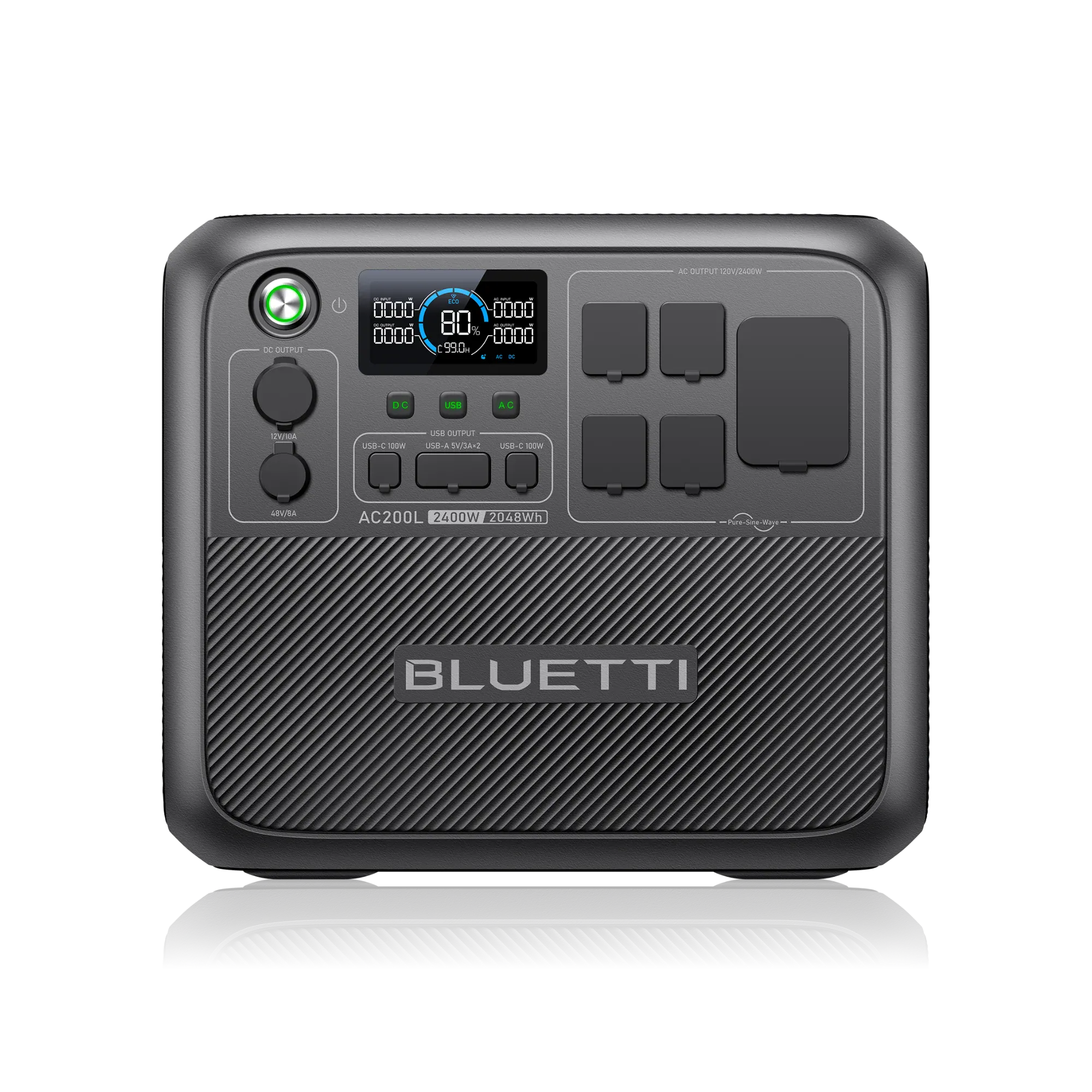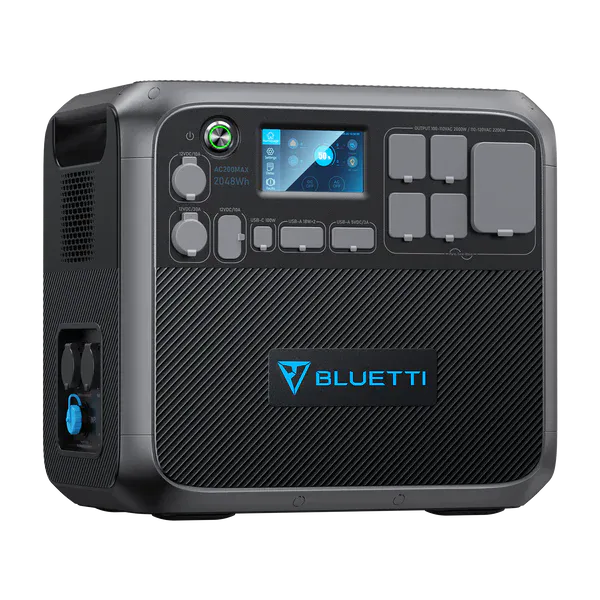
1
Voltage Gate
PASSDevice output type must match generator output.
120V required -> 120V available
This pairing clears the safety headroom. Required ~1297W running and 3889W surge; the DELTA 2 Max is rated 2400W / 4800W.
Same decision gates as the engine: voltage, running, surge. Runtime is shown as operational context.
Device output type must match generator output.
120V required -> 120V available
Continuous draw with safety buffer applied.
1,297W required -> 2,400W available (1,103W headroom)
Startup peak with safety buffer applied.
3,889W required -> 4,800W available (911W headroom)
Alternative startup path with reduced inrush.
1,750W required -> 4,800W available (3,050W headroom)
Runtime context only. It does not change the electrical compatibility verdict.
Continuous estimate: 1.3h
Device profile reference: up to 2h per day.
Power bars show required versus available output for each gate.
View full compatibility reportQuick compatibility, required headroom, and model-specific context at a glance.
3 of 3 models are SAFE or TIGHT. Most demanding model: Wayne CDU800 (1/2 HP) (3,381W surge).
| Model | Running | Surge | Verdict | Runtime | Source |
|---|---|---|---|---|---|
| Zoeller M98 Flow-Mate (1/2 HP) | 1,081W | 3,243W | Safe | ~1.3h | NEC Standard |
Show expert analysisTechnical: **Running load:** 1,081W (115V x 9.4A OEM rated). **Surge:** 3,243W at motor startup (3x NEC estimate). **Voltage:** 120V AC. The cast iron PSC motor draws heavy inrush current on every pump cycle. Field note: The Zoeller M98 is the industry reference in cast iron sump pumps. Its PSC motor has no built-in soft-start — the full inrush hits the power station instantly. An external soft-start device can reduce this surge, but size the inverter for the full 3,243W if running without one. Can I run a Zoeller M98 sump pump on a portable power station during a flood? Only if your power source can supply at least 1,081W continuous and 3,243W surge at 120V. The PSC motor creates a hard startup spike that will trip undersized inverters. | |||||
| Wayne CDU800 (1/2 HP) | 1,127W | 3,381W | Safe | ~1.3h | NEC Standard |
Show expert analysisTechnical: **Running load:** 1,127W (NEC 430.248 rated). **Surge:** 3,381W at motor startup (3x NEC estimate). **Voltage:** 120V AC. The coated steel PSC motor draws the highest inrush in this class due to its conservative NEC-rated amperage. Field note: The Wayne CDU800 is the Home Depot best-seller for suburban basements. Without OEM amperage data, specs are derived from NEC tables — the actual draw may be slightly lower, but sizing to NEC ensures safe headroom. Can I keep my Wayne sump pump running on battery backup during a storm? Only if your power source can supply at least 1,127W continuous and 3,381W surge at 120V. The motor startup surge is the critical factor — most small power stations cannot handle it. | |||||
| Liberty Pumps 287 VMF (1/2 HP) | 920W | 2,645W | Safe | ~1.6h | OEM Manual |
Show expert analysisTechnical: **Running load:** 920W (115V x 8.0A OEM rated). **Surge:** 2,645W at motor startup (115V x 23A LRA, OEM verified). **Voltage:** 120V AC. The 3450 RPM PSC motor with OEM-documented LRA provides the most precise surge data in this class. Field note: The Liberty 287 is the plumber's choice and the most battery-friendly 1/2 HP sump pump in this comparison. With OEM-verified LRA data, the 2,645W surge is a confirmed number — not an estimate. A 3,000W power station can handle this reliably. Is the Liberty 287 easier to run on a power station than other sump pumps? Only if your power source can supply at least 920W continuous and 2,645W surge at 120V. Its OEM-documented 23A locked rotor current is lower than NEC estimates for competing 1/2 HP pumps, making it more generator-friendly. | |||||
This unit ranks #7 of 17 compatible generators for this device by buffered margin (Balanced class).
17 of 33 generators are SAFE+TIGHT for Sump Pump (1/2 HP).
Fit class uses buffered needs (running and surge) for this device.
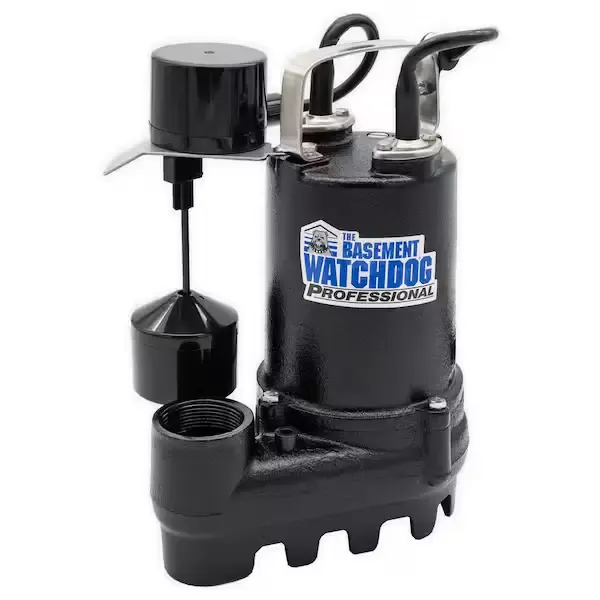
Storm Flood Prevention
Select Your Model:
These systems are often hardwired to a home panel. To run them from a portable station, you may need a transfer switch installed by an electrician. You cannot just plug it in.
Free Tools
The 4800 W surge can support typical startup loads for refrigerators, well pumps, and air compressor motors that require momentary inrush current. The 2048 Wh capacity provides extended runtime for moderate continuous loads. This configuration can handle brief motor starts while sustaining steady power delivery for home backup scenarios.
This unit uses LFP chemistry, which offers a different thermal profile than older lithium chemistries. The manufacturer provides operational guidelines in their documentation. Source: EcoFlow DELTA 2 Max User Manual v1.0 (manufacturer documentation). Follow all usage instructions to maintain safe operation.
Keep your Sump Pump (1/2 HP) running with solar • MPPT: 11– 60V • Max: 1000W
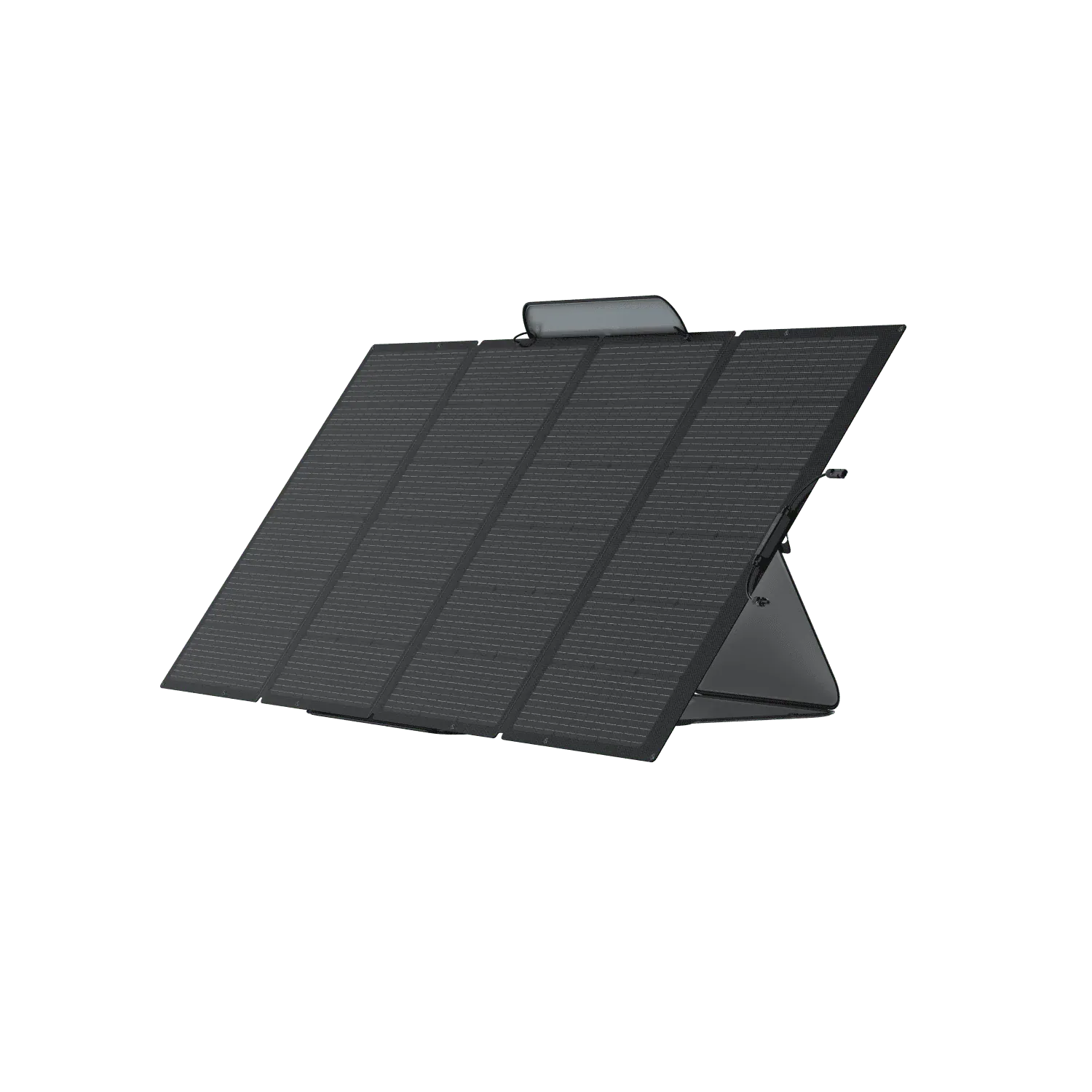 Official
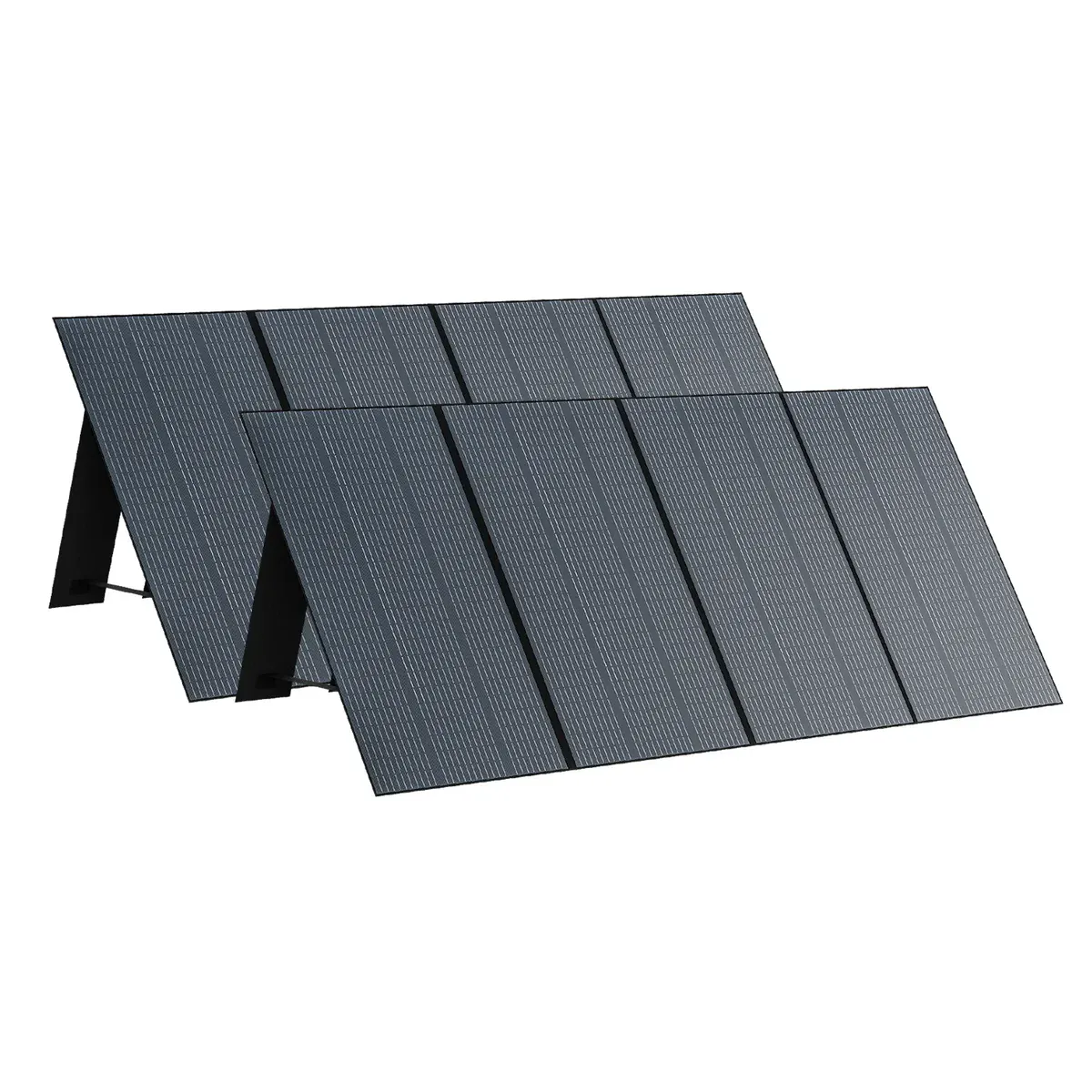
 400W Panel
Adapter required: MC4 -> XT60i.
 Smart Value
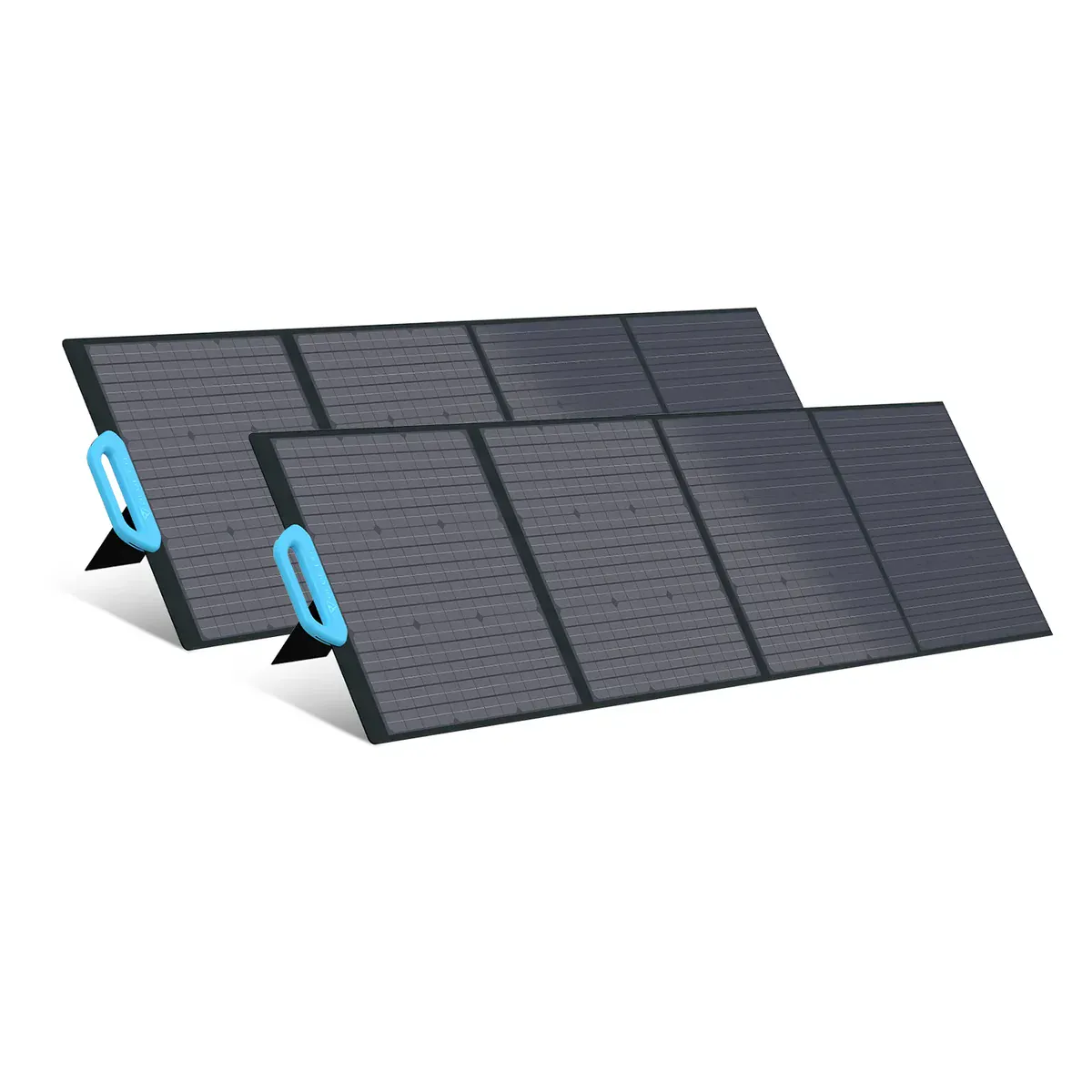
 350W Panel
Adapter required: MC4 -> XT60i.
 Smart Value
 200W Panel
Adapter required: MC4 -> XT60i.
Yes. The EcoFlow DELTA 2 Max provides 2400W running / 4800W surge. The Sump Pump (1/2 HP) needs 1297W / 3889W (including 15% buffer). That leaves 1103W of running headroom and 911W of surge margin.
Approximately 1.3 hours, based on the Sump Pump (1/2 HP)'s 1127W draw and the DELTA 2 Max's 2048Wh capacity (70% usable after real-world losses).
With 780W allocated to the Sump Pump (1/2 HP), the DELTA 2 Max still has ~13W of margin. These devices could run simultaneously:
Storm Safety: Since the Sump Pump (1/2 HP) is critical for preventing flooding, we recommend testing this setup specifically before the storm season. Ensure the DELTA 2 Max is fully charged to 100% as storms approach.
Compare all 33 generators for the Sump Pump (1/2 HP)
Ranked by budget, runtime, and overall compatibility.
Derived from variant list (max of variants). Worst case = Wayne CDU800 (1127W running, 3381W surge).
EcoFlow DELTA 2 Max User Manual v1.0
Similar-output alternatives you can compare side by side.