1
Voltage Gate
PASSDevice output type must match generator output.
120V required -> 120V available
This pairing clears the safety headroom. Required ~96W running and 191W surge; the DELTA 3 Plus is rated 1800W / 3600W.
Same decision gates as the engine: voltage, running, surge. Runtime is shown as operational context.
Device output type must match generator output.
120V required -> 120V available
Continuous draw with safety buffer applied.
96W required -> 1,800W available (1,704W headroom)
Startup peak with safety buffer applied.
191W required -> 3,600W available (3,409W headroom)
Runtime context only. It does not change the electrical compatibility verdict.
Continuous estimate: 8.6h
Device profile reference: up to 8h per day.
Power bars show required versus available output for each gate.
View full compatibility reportQuick compatibility, required headroom, and model-specific context at a glance.
3 of 3 models are SAFE or TIGHT. Most demanding model: Lasko B20200 (20-inch Box Fan) (166W surge).
| Model | Running | Surge | Verdict | Runtime | Source |
|---|---|---|---|---|---|
| Lasko B20200 (20-inch Box Fan) | 83W | 166W | Safe | ~8.6h | Engineering Est. |
Show expert analysisTechnical: **Running load:** 83 W. **Surge:** 166 W (estimated 2x startup for shaded-pole motor). **Voltage:** 120 V AC. Small shaded-pole fan motors produce a brief inrush at startup that is typically 2x running — far less than the 3x NEC standard for larger motors. Field note: Box fans are among the easiest appliances to run off-grid. Even with the 2x startup surge, any power station rated 200W+ handles this fan comfortably. Will this fan drain my power station quickly? At 83W continuous, an 8-hour overnight run consumes ~664 Wh. A 1000Wh power station handles it with margin to spare. | |||||
| Lasko B20500 (20-inch Box Fan) | 72W | 144W | Safe | ~10.0h | Engineering Est. |
Show expert analysisTechnical: **Running load:** 72 W. **Surge:** 144 W (estimated 2x startup). **Voltage:** 120 V AC. Slightly lower draw than the B20200 — same motor technology, lower speed setting or blade design. Field note: At 72W, this is the lightest box fan in the comparison. Perfect for overnight use on a portable power station — a 500Wh unit runs it for nearly 7 hours. Can I run this fan overnight on a 500 Wh power station? Close — 8 hours at 72W needs 576 Wh. With inverter losses (~70% usable), a 500Wh station runs it for about 5 hours. A 750Wh+ station covers a full night. | |||||
| Lasko 3733 (20-inch Box Fan) | 80W | 160W | Safe | ~9.0h | Engineering Est. |
Show expert analysisTechnical: **Running load:** 80 W (high speed, top of 50-80W range). **Surge:** 160 W (estimated 2x startup). **Voltage:** 120 V AC. Variable speed range means actual draw depends on setting — low speed draws as little as 50W. Field note: If running on battery, use a lower speed setting. Dropping from high (80W) to low (50W) extends runtime by 60% — a meaningful difference on a single charge. How long can I run this fan on low speed? At 50W on low speed, a 1000Wh power station (700Wh usable) runs it for about 14 hours. High speed (80W) cuts that to about 9 hours. | |||||
This unit ranks #17 of 33 compatible generators for this device by buffered margin (Overkill class).
33 of 33 generators are SAFE+TIGHT for Box Fan (20-inch).
Fit class uses buffered needs (running and surge) for this device.
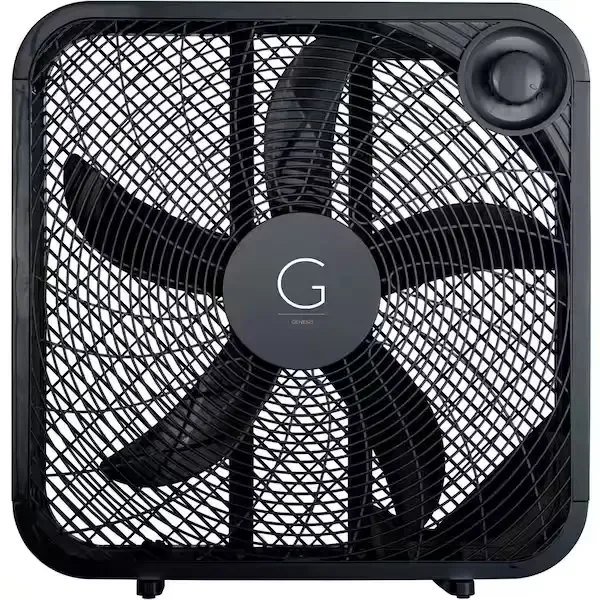
Hot Weather Ventilation
Select Your Model:
These systems are often hardwired to a home panel. To run them from a portable station, you may need a transfer switch installed by an electrician. You cannot just plug it in.
Free Tools
The 3600W surge capacity can support typical residential motor startup scenarios including refrigerator compressors, well pumps, and power tools with inductive loads. The 1024Wh capacity sustains the 1800W continuous rating for approximately 34 minutes at full draw. This configuration can handle brief high-demand events common in backup power and job site applications.
LFP chemistry provides stable electrochemical performance under load cycling. The 3600W surge rating indicates transient overcurrent capability designed for inductive startup events. Source: EcoFlow DELTA 3 Plus User Manual v1.0 (Output Specs Section) (manufacturer documentation). Users must verify that connected equipment falls within these published limits.
Keep your Box Fan (20-inch) running with solar • MPPT: 11– 60V • Max: 1000W
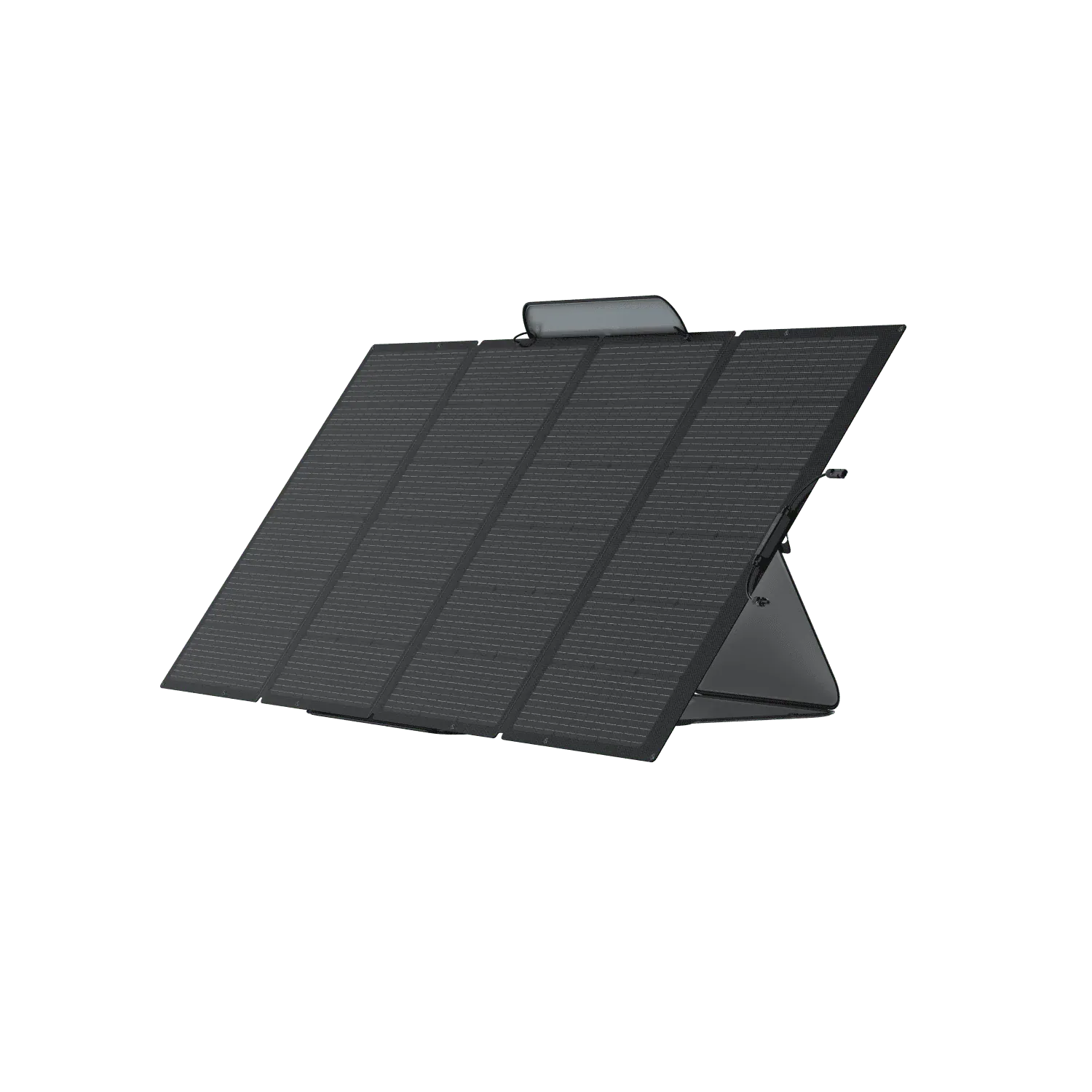 Official
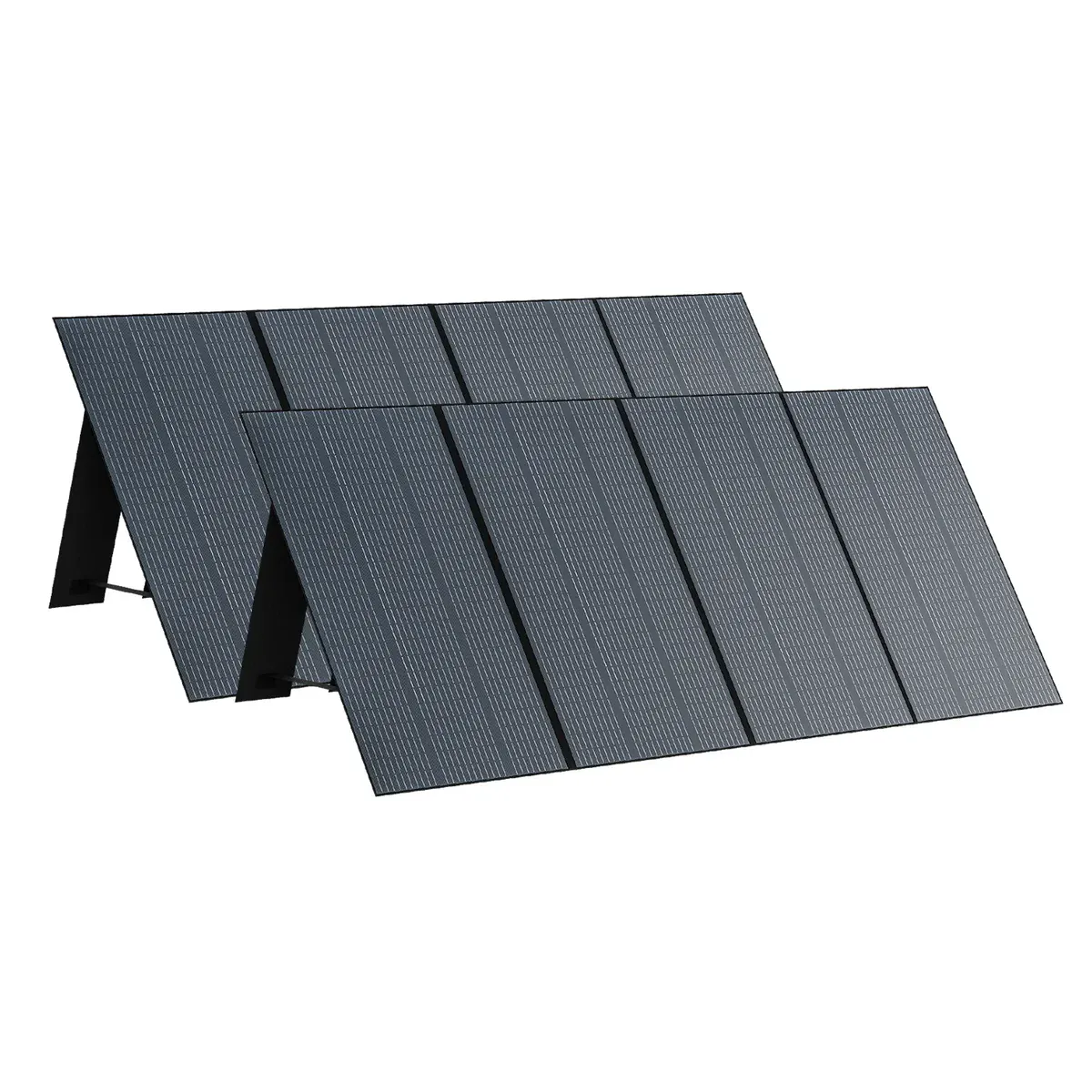
 400W Panel
Adapter required: MC4 -> XT60i.
 Smart Value
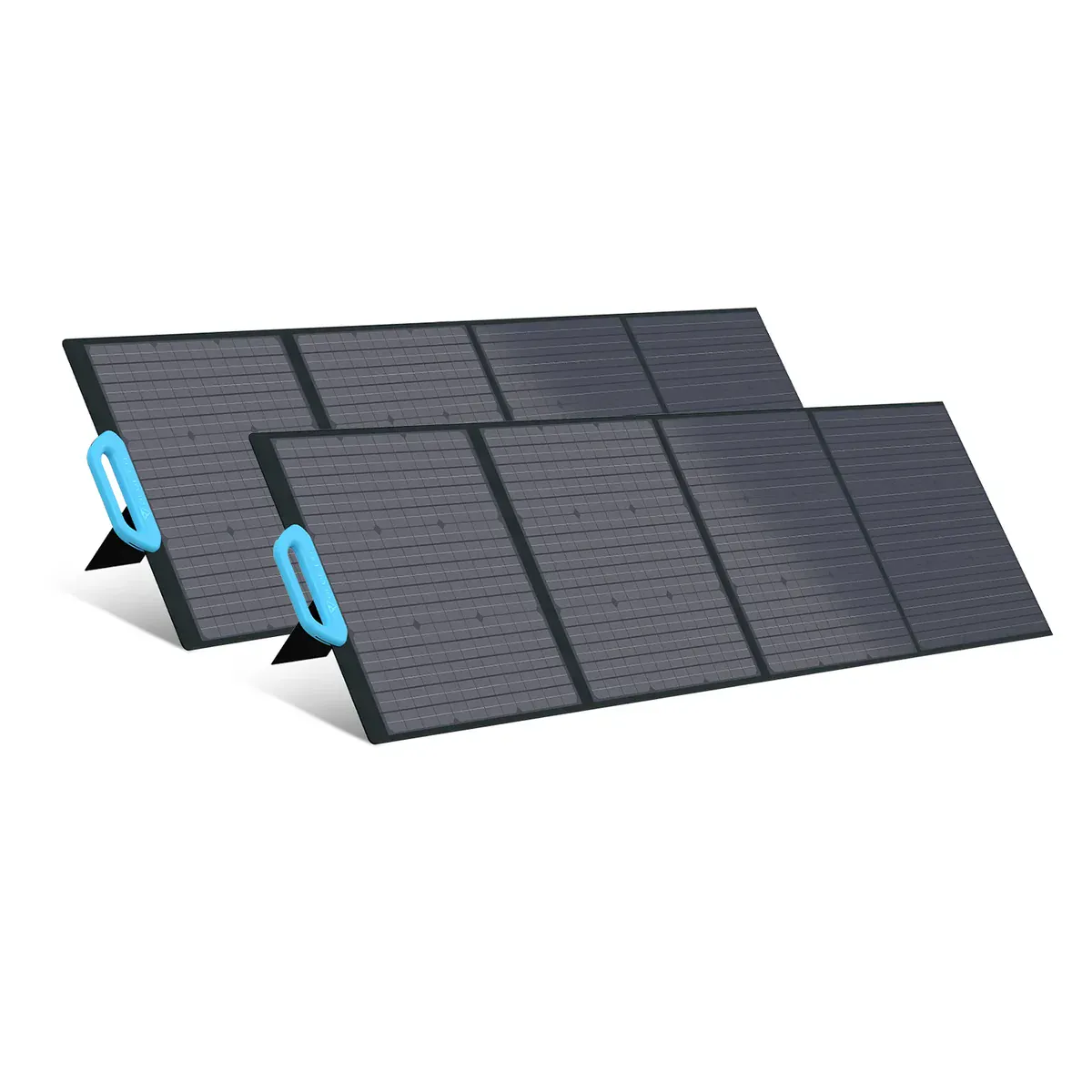
 350W Panel
Adapter required: MC4 -> XT60i.
 Smart Value
 200W Panel
Adapter required: MC4 -> XT60i.
Yes. The EcoFlow DELTA 3 Plus provides 1800W running / 3600W surge. The Box Fan (20-inch) needs 96W / 191W (including 15% buffer). That leaves 1704W of running headroom and 3409W of surge margin.
Approximately 8.6 hours, based on the Box Fan (20-inch)'s 83W draw and the DELTA 3 Plus's 1024Wh capacity (70% usable after real-world losses).
With 1140W allocated to the Box Fan (20-inch), the DELTA 3 Plus still has ~217W of margin. These devices could run simultaneously:
Power Tip: To get the most out of your DELTA 3 Plus, keep it in a well-ventilated area. Extreme temperatures can slightly reduce the efficiency of the LFP/NMC cells.
Compare all 33 generators for the Box Fan (20-inch)
Ranked by budget, runtime, and overall compatibility.
Derived from variant list (max of variants). Running worst case = Lasko B20200 (83W OEM). Surge worst case = Lasko B20200 (166W). Small fan motor policy: 2x startup for shaded-pole motors.
EcoFlow DELTA 3 Plus User Manual
Similar-output alternatives you can compare side by side.