1
Voltage Gate
PASSDevice output type must match generator output.
240V required -> 120V/240V available
3 of 3 models are compatible with this generator.
Jump to model-specific results ↓Same decision gates as the engine: voltage, running, surge. Runtime is shown as operational context.
Device output type must match generator output.
240V required -> 120V/240V available
Continuous draw with safety buffer applied.
1,958W to 2,751W required -> 4,000W available (1,249W to 2,042W headroom)
Startup peak with safety buffer applied.
2,936W to 8,253W required -> 8,000W available (5,064W headroom on lighter models)
Alternative startup path with reduced inrush.
3,714W required -> 8,000W available (4,286W headroom)
Runtime context only. It does not change the electrical compatibility verdict.
Continuous estimate: 1.2h
Device profile reference: up to 2h per day.
Power bars show required versus available output for each gate.
View full compatibility reportQuick compatibility, required headroom, and model-specific context at a glance.
3 of 3 models are SAFE or TIGHT. Most demanding model: Red Lion RL12G10-2W2V (1 HP Deep Well Submersible) (7,176W surge).
| Model | Running | Surge | Verdict | Runtime | Source |
|---|---|---|---|---|---|
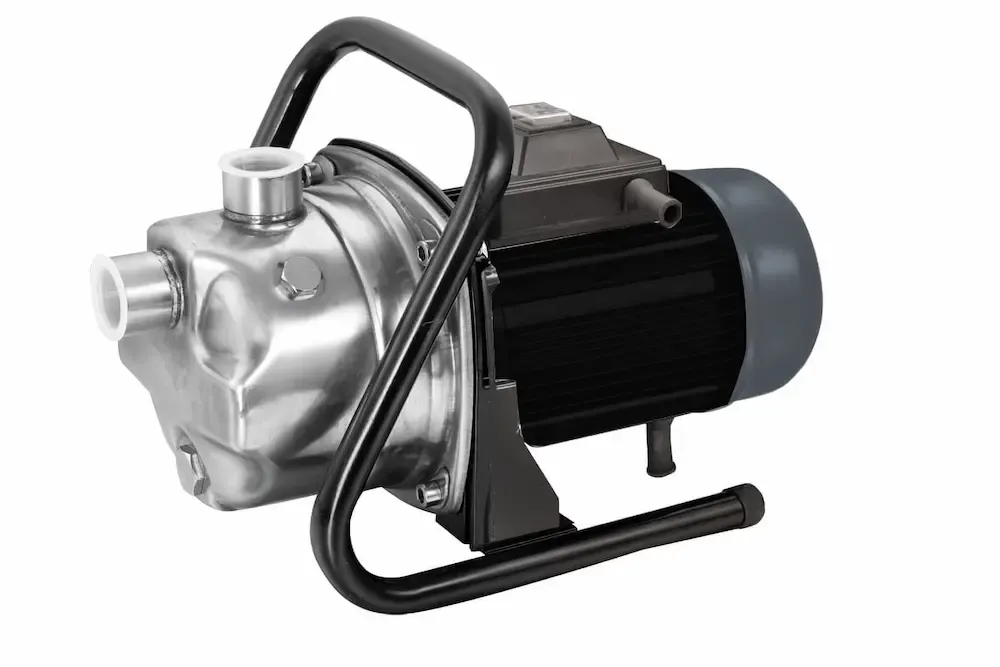
| Wayne SWS100 (1 HP Shallow Well Jet Pump) | 1,840W | 5,520W | Safe | ~1.6h | NEC Standard |
Show expert analysisTechnical: **Running load:** 1840W using NEC full-load current for a 1 HP single-phase motor at 230V. **Startup surge:** 5520W estimated with a 3x motor inrush multiplier. **Voltage:** 240V required in normal US installation. Field note: Wayne publishes HP and voltage, but not FLA/LRA for SWS100. Sizing is intentionally conservative using NEC motor tables. Can a portable power station run the Wayne SWS100? Only if it provides 240V output and can handle about 1840W continuous plus a 5520W startup spike. | |||||
| Red Lion RL12G10-2W2V (1 HP Deep Well Submersible) | 2,392W | 7,176W | Tight | ~1.2h | NEC Standard |
Show expert analysisTechnical: **Running load:** 2392W from OEM voltage/current data (230V × 10.4A). **Startup surge:** 7176W estimated at 3× running per NEC 430.248 due to high-inrush induction motor behavior. **Voltage:** 240V required. Field note: This is the battery-killer profile in the set: high running watts plus very high startup inrush. Why does this Red Lion model fail on many power stations? Because the startup surge is very high relative to consumer inverter surge limits, even when continuous watts look close. | |||||
| Grundfos 15SQ10-220 (SQ Series Soft Start) | 1,702W | 2,553W | Safe | ~1.7h | Engineering Est. |
Show expert analysisTechnical: **Running load:** 1702W from OEM full-load amps. **Estimated startup surge:** 2553W using a 1.5x soft-start assumption. **Voltage:** 240V required. Field note: This is the generator-friendly profile in the set: still a 240V well-pump load, but with meaningfully lower startup demand. Is the Grundfos SQ easier on battery inverters than standard well pumps? Generally yes, because the SQ line uses soft-start behavior that lowers startup inrush compared with hard-start 1 HP pumps. | |||||
This unit ranks #1 of 4 compatible generators for this device by buffered margin (Balanced class).
4 of 33 generators are SAFE+TIGHT for Well Pump (1 HP).
Fit class uses buffered needs (running and surge) for this device.
Rural Water Supply
Select Your Model:
This device typically needs 240V split-phase or a hardwired connection. Most portable stations are 120V-only. Verify the plug type and voltage on the device label/manual before purchase.
These systems are often hardwired to a home panel. To run them from a portable station, you may need a transfer switch installed by an electrician. You cannot just plug it in.
Free Tools
The 8000W surge rating can support typical compressor startup in residential air conditioners, well pumps, and refrigeration equipment. Most single-phase motor loads under 2HP can start on this surge budget. The 4000W continuous capacity can handle simultaneous operation of multiple circuits including HVAC blowers, lighting, and standard appliances during extended outages.
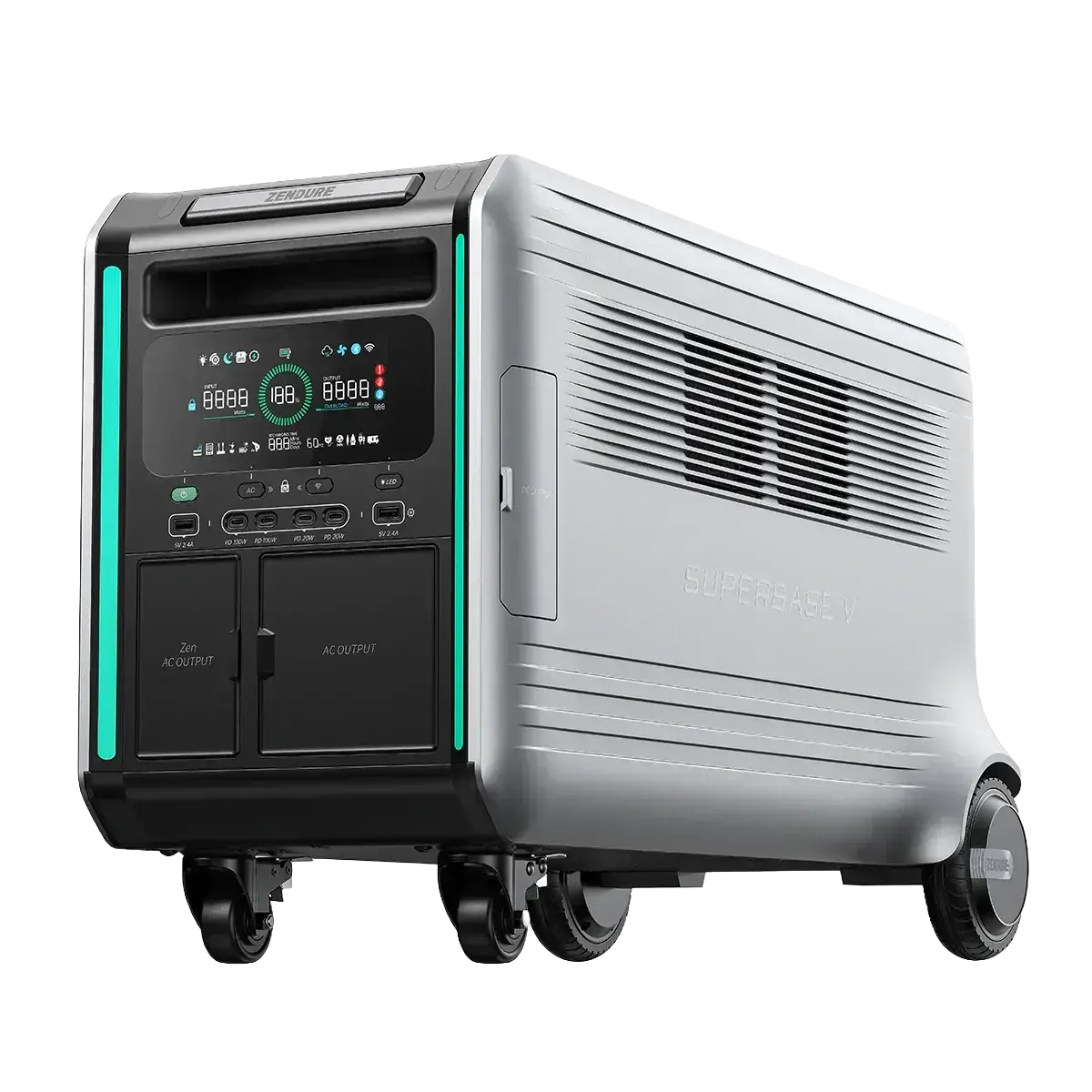
This unit provides 4096Wh of LFP battery capacity with 4000W continuous and 8000W surge output capability. Source: EcoFlow DELTA Pro 3 User Manual v1.1 (AC Output Specifications) (manufacturer documentation). The LFP chemistry offers thermal stability compared to older lithium-ion chemistries, though all battery systems require proper ventilation and adherence to installation guidelines.
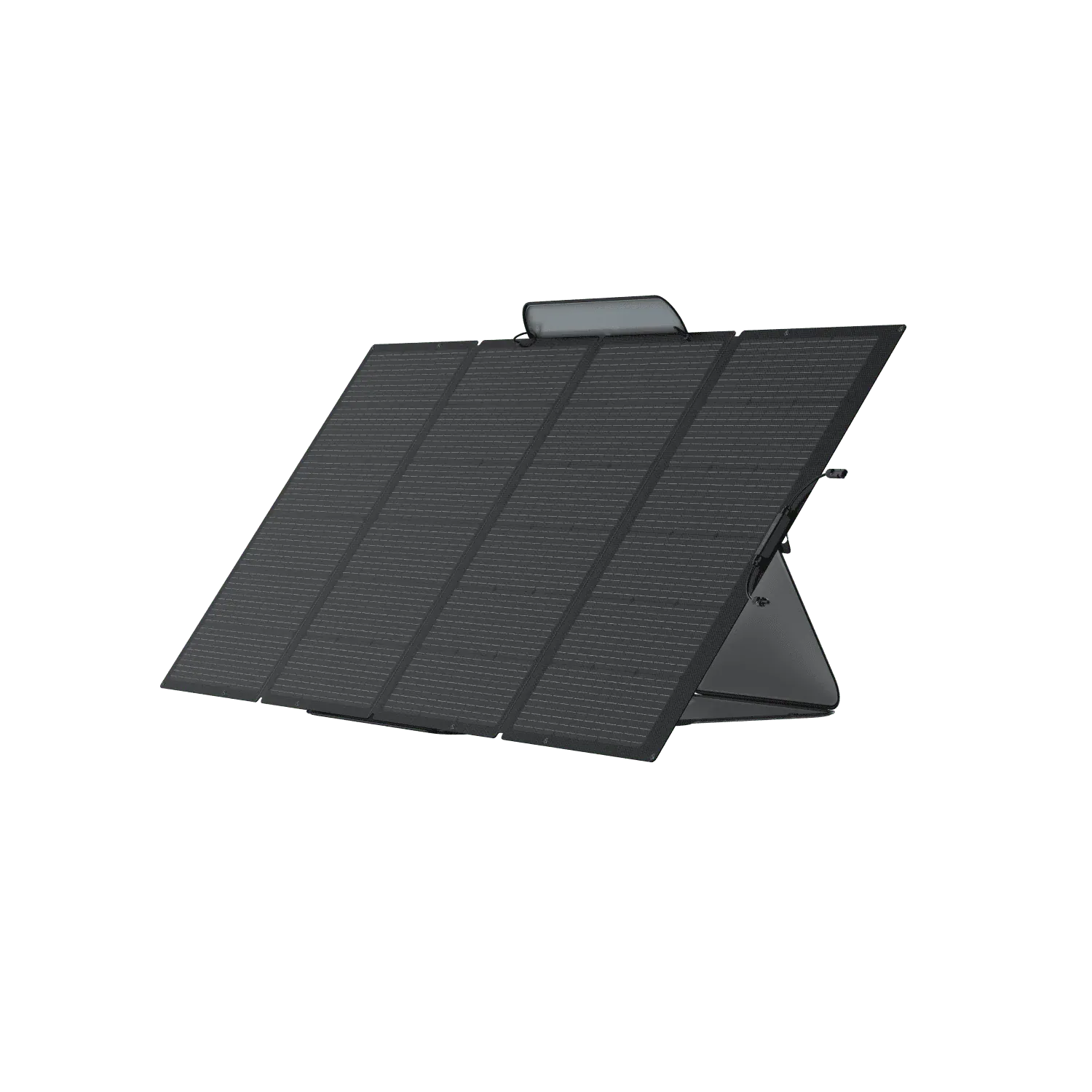
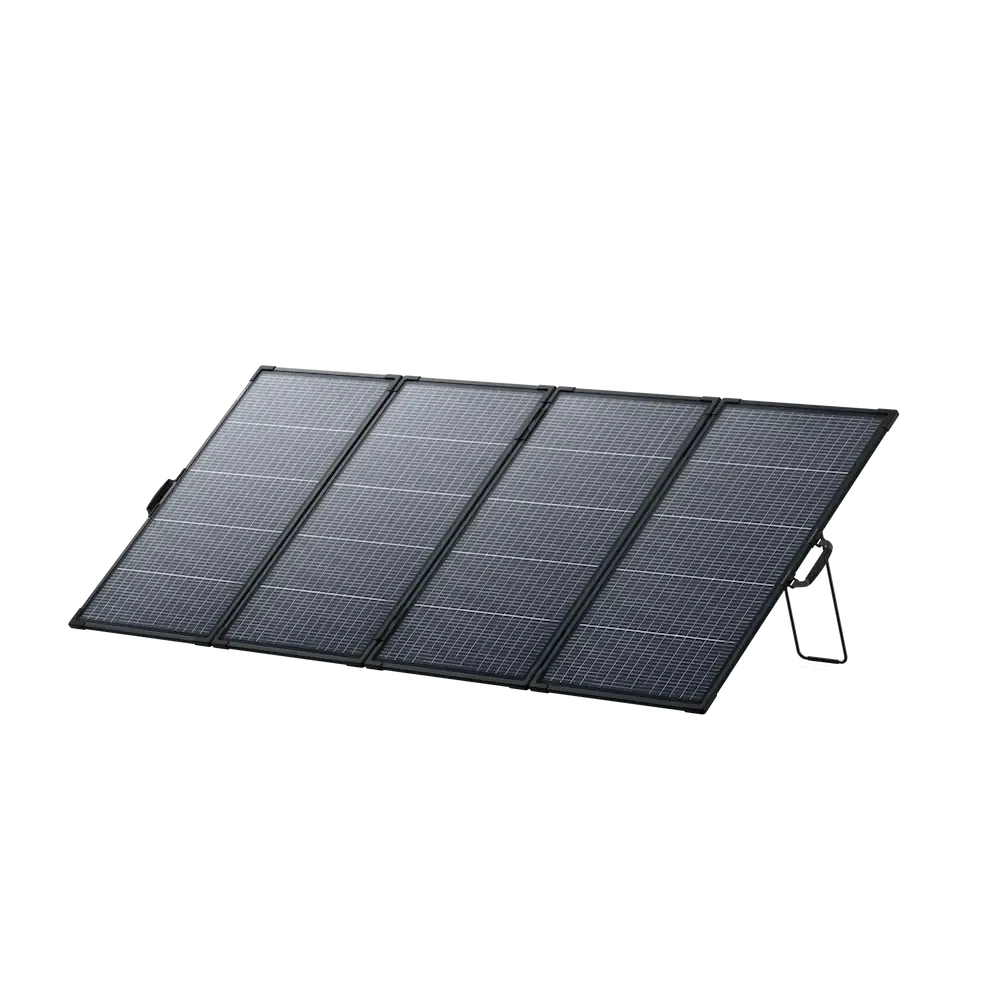
Keep your Well Pump (1 HP) running with solar • MPPT: 30– 150V • Max: 2600W
 Official
 400W Panel
Adapter required: MC4 -> XT60.
 Smart Value
 400W Panel
Adapter required: MC4 -> XT60.
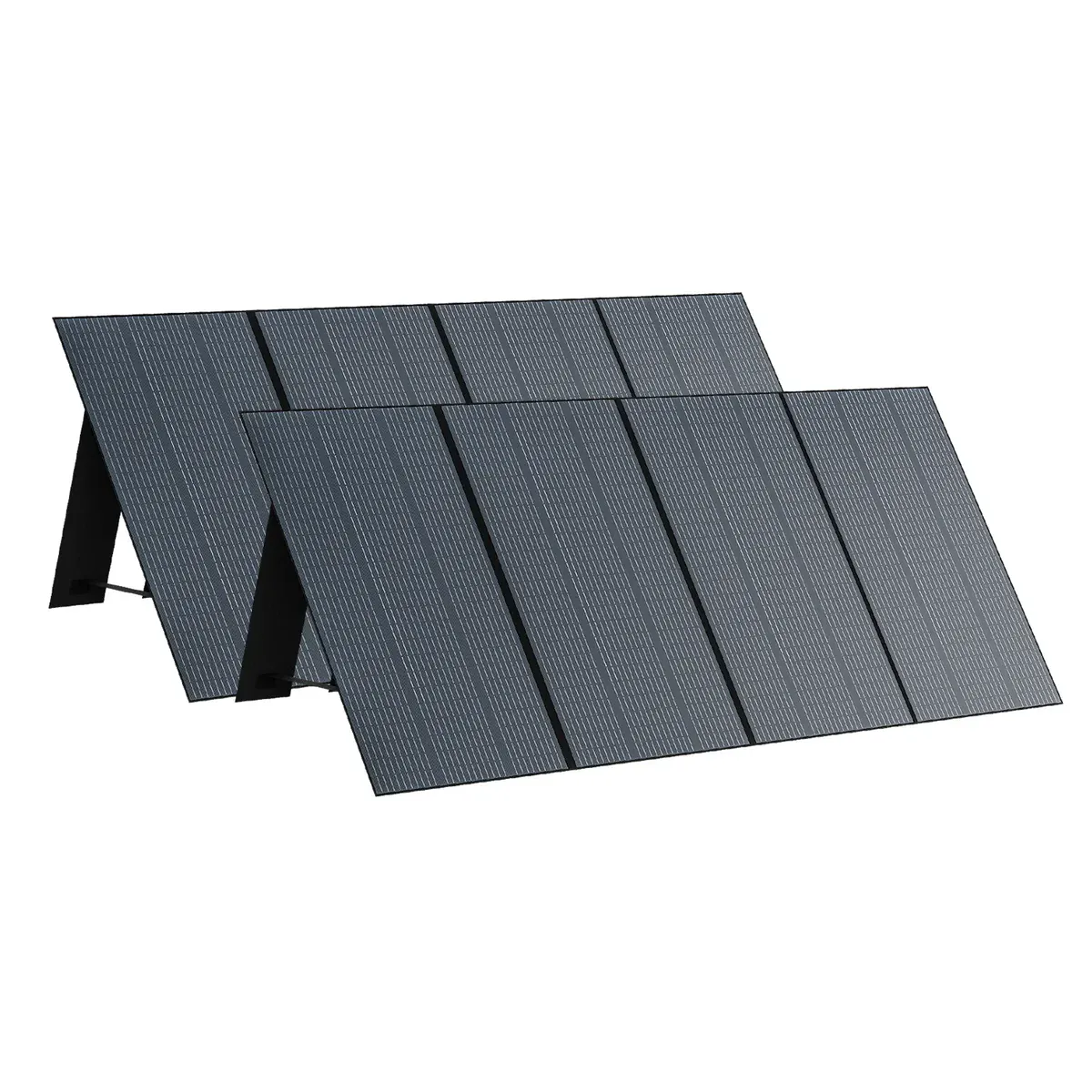 Smart Value
 350W Panel
Adapter required: MC4 -> XT60.
It depends on the model. 3 of 3 Well Pump (1 HP) models are compatible with the EcoFlow DELTA Pro 3. See the model-specific results table for exact verdicts per model.
It depends on the model. Compatible models run approximately 1.2–1.7 hours on the DELTA Pro 3. 0 of 3 models are not compatible. See the model-specific results for details.
With 265W allocated to the Well Pump (1 HP), the DELTA Pro 3 still has ~543W of margin. These devices could run simultaneously:
Power Tip: To get the most out of your DELTA Pro 3, keep it in a well-ventilated area. Extreme temperatures can slightly reduce the efficiency of the LFP/NMC cells.
Compare all 33 generators for the Well Pump (1 HP)
Ranked by budget, runtime, and overall compatibility.
Derived from variant list (max of variants). Worst case = Red Lion RL12G10-2W2V (2392W running, 7176W surge).
EcoFlow DELTA Pro 3 User Manual v1.1 (AC Output Specifications)
Similar-output alternatives you can compare side by side.