1
Voltage Gate
PASSDevice output type must match generator output.
120V required -> 120V available
This pairing clears the safety headroom. Required ~207W running and 311W surge; the RIVER 2 Pro is rated 800W / 1600W.
Same decision gates as the engine: voltage, running, surge. Runtime is shown as operational context.
Device output type must match generator output.
120V required -> 120V available
Continuous draw with safety buffer applied.
207W required -> 800W available (593W headroom)
Startup peak with safety buffer applied.
311W required -> 1,600W available (1,289W headroom)
Runtime context only. It does not change the electrical compatibility verdict.
Continuous estimate: 3.0h
Device profile reference: up to 0.1h per day.
Power bars show required versus available output for each gate.
View full compatibility reportQuick compatibility, required headroom, and model-specific context at a glance.
3 of 3 models are SAFE or TIGHT. Most demanding model: LiftMaster 8500W Wall Mount (DC Motor, WiFi) (270W surge).
| Model | Running | Surge | Verdict | Runtime | Source |
|---|---|---|---|---|---|
| LiftMaster 8500 Wall Mount (DC Motor) | 120W | 180W | Safe | ~4.5h | Engineering Est. |
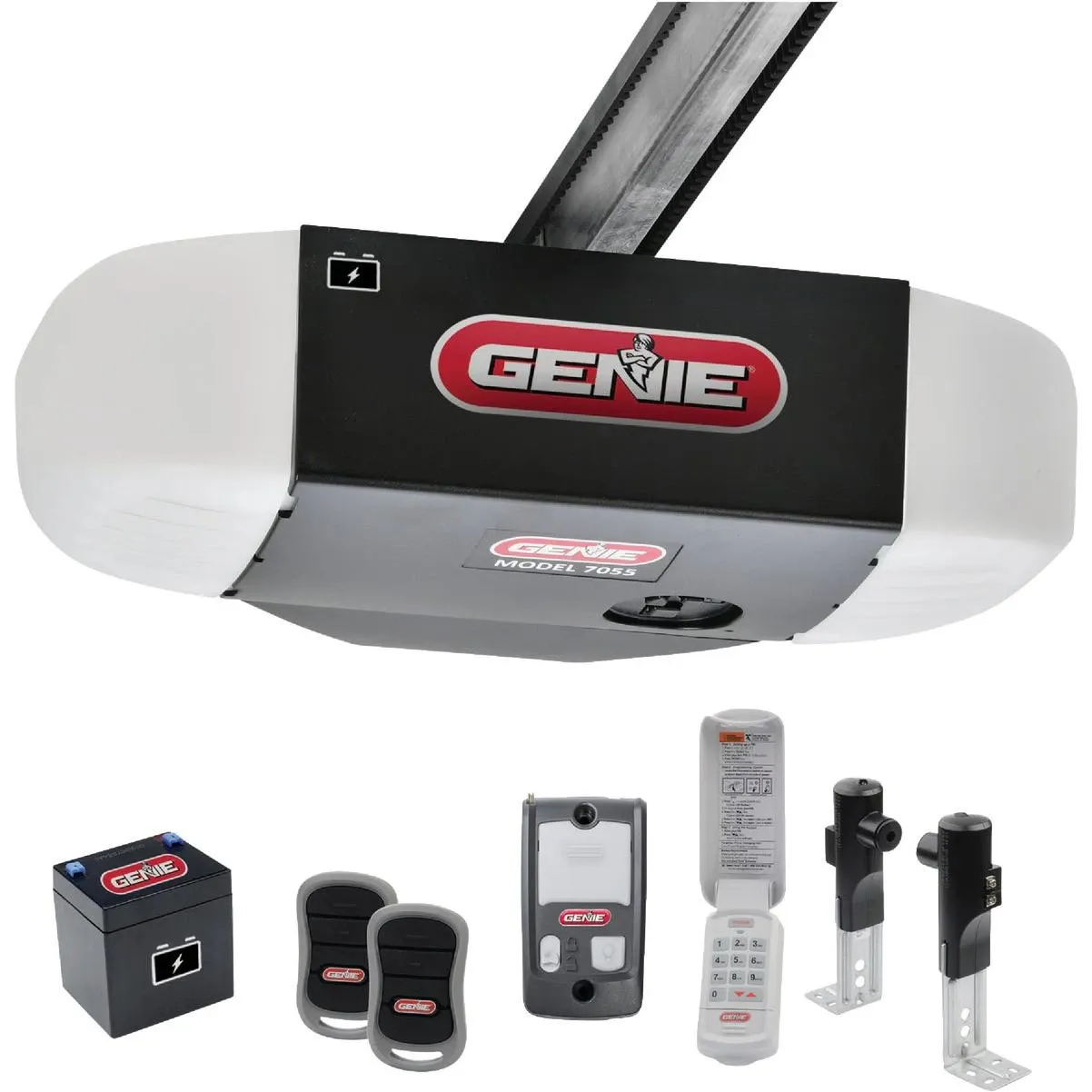
Show expert analysisTechnical: **Running load:** 120W (1.0A at 120V AC). **Surge:** ~180W estimated (1.5× running). The 8500 uses a 24V DC motor with an electronic controller that ramps speed gradually — no hard inrush current like traditional AC universal motors. This is the lowest-draw wall-mount opener in the LiftMaster lineup. Field note: The 8500 is a jackshaft (side-mount) design that attaches to the torsion bar. It requires no ceiling clearance and works with high-lift or vertical-lift doors. The low 120W draw means virtually any power station with a working AC outlet can run it. Can a portable power station open my garage door during a power outage? Yes. The LiftMaster 8500 draws only 120W running with a brief 180W startup. Any power station rated 300W or above will handle it easily. A 500Wh station could open and close the door hundreds of times. | |||||
| LiftMaster 8500W Wall Mount (DC Motor, WiFi) | 180W | 270W | Safe | ~3.0h | Engineering Est. |
Show expert analysisTechnical: **Running load:** 180W (1.5A at 120V AC). **Surge:** ~270W estimated (1.5× running). The 8500W adds integrated WiFi (myQ smart home) and LED lighting to the 8500 platform, increasing draw from 1.0A to 1.5A. Same 24V DC motor with electronic ramp-up — no hard inrush. Field note: The WiFi module requires continuous power to maintain myQ connectivity. On a power station, the opener will work mechanically but may lose smart features if the station enters sleep mode between uses. Disable station auto-sleep if you need remote monitoring. Will my LiftMaster smart opener work on a portable power station? Yes. The 8500W draws 180W running with 270W surge — well within any 500W+ power station. Note that the myQ WiFi features require the station to stay powered on (no auto-sleep) to maintain connectivity. | |||||
| LiftMaster 98022 Elite Wall Mount (DC Motor, Battery Backup) | 180W | 270W | Safe | ~3.0h | Engineering Est. |
Show expert analysisTechnical: **Running load:** 180W (1.5A at 120V AC, motor only). **Surge:** ~270W estimated (1.5× running). The 98022 is LiftMaster's current-generation Elite wall mount with built-in battery backup, WiFi, and LED lighting. Same DC motor platform as the 8500W with updated electronics. The integrated battery backup means the opener works during grid outages without any external power source. Field note: The 98022's built-in battery backup makes it self-sufficient during outages — you may not need a power station for this opener at all. If you do use a power station, it charges the internal battery while also powering the motor. The LED lighting adds ~24W (0.2A) when on. Do I even need a power station for this garage door opener? Probably not. The 98022 has a built-in battery backup that handles up to 50 open/close cycles during outages. A power station is only useful for extended outages where the internal battery runs out, or to power other garage loads simultaneously. | |||||
This unit ranks #8 of 33 compatible generators for this device by buffered margin (Overkill class).
33 of 33 generators are SAFE+TIGHT for Garage Door Opener (Residential).
Fit class uses buffered needs (running and surge) for this device.
Vehicle Access
Select Your Model:
Free Tools
The 1600W surge rating can handle typical motor startup events found in residential compressor-based appliances like refrigerators and well pumps. The 800W running capacity can support continuous loads such as home network equipment, lighting circuits, and small kitchen appliances. This configuration works well for targeted backup scenarios rather than whole-home replacement power.
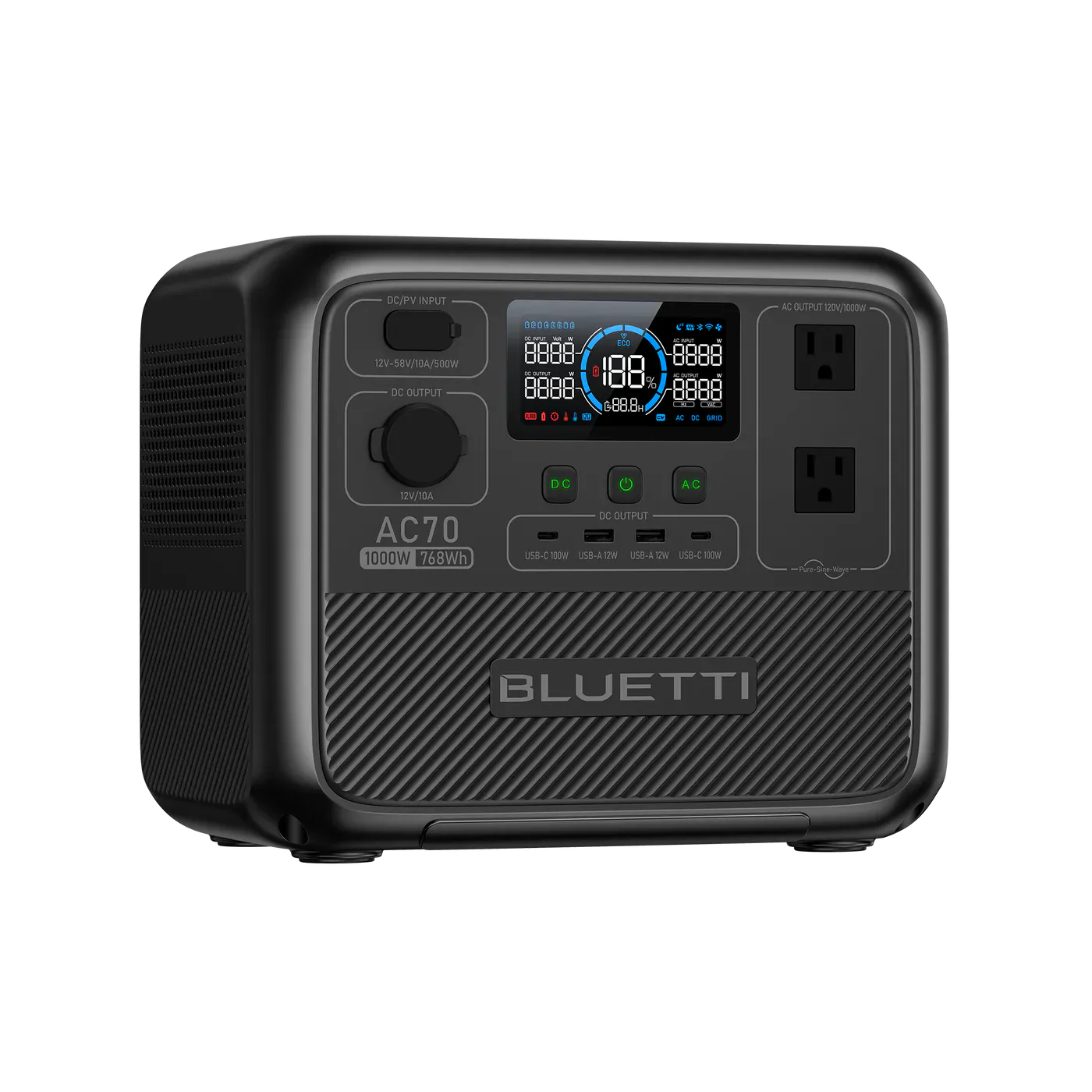
This unit uses LFP chemistry, which offers stable thermal characteristics during discharge cycles. The 768Wh capacity supports extended runtime for moderate household loads. Source: EcoFlow RIVER 2 Pro User Manual v1.0 (manufacturer documentation).
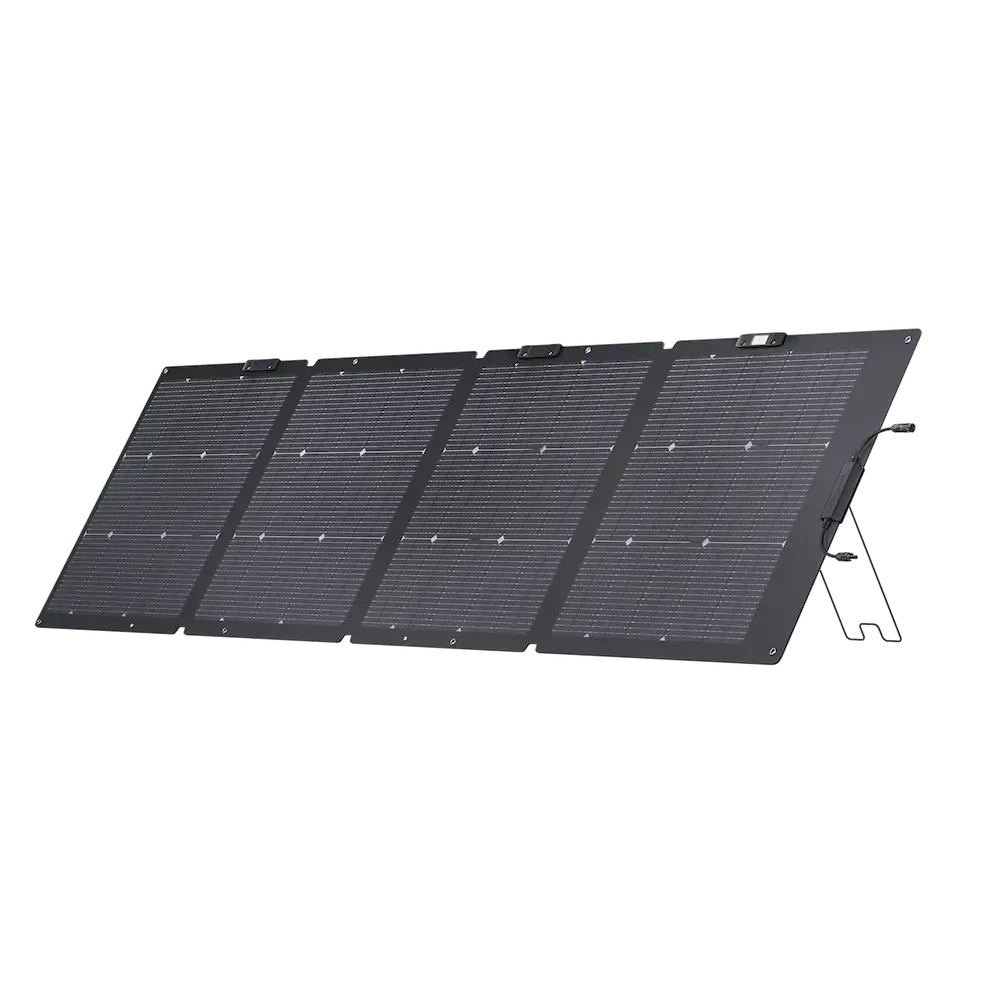
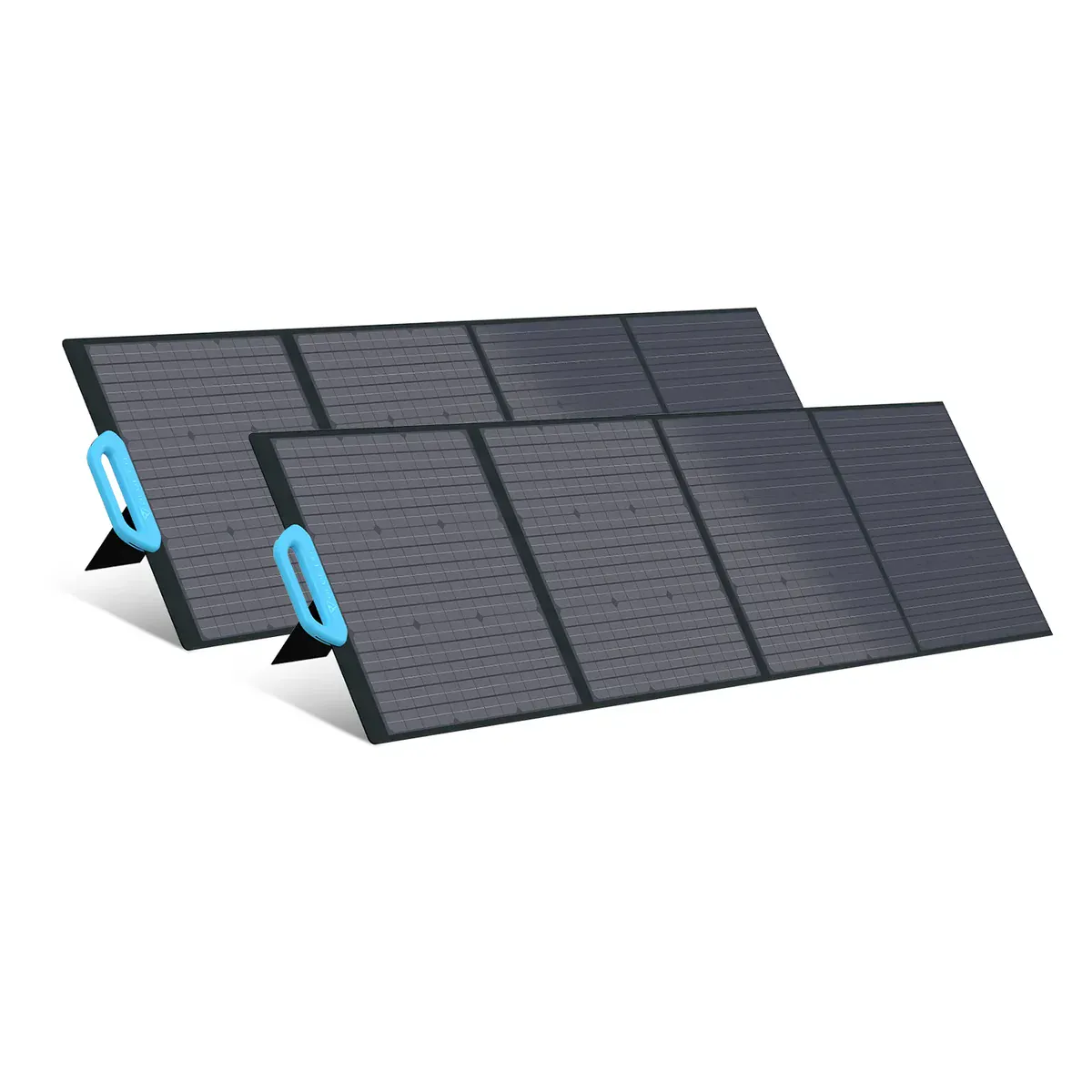
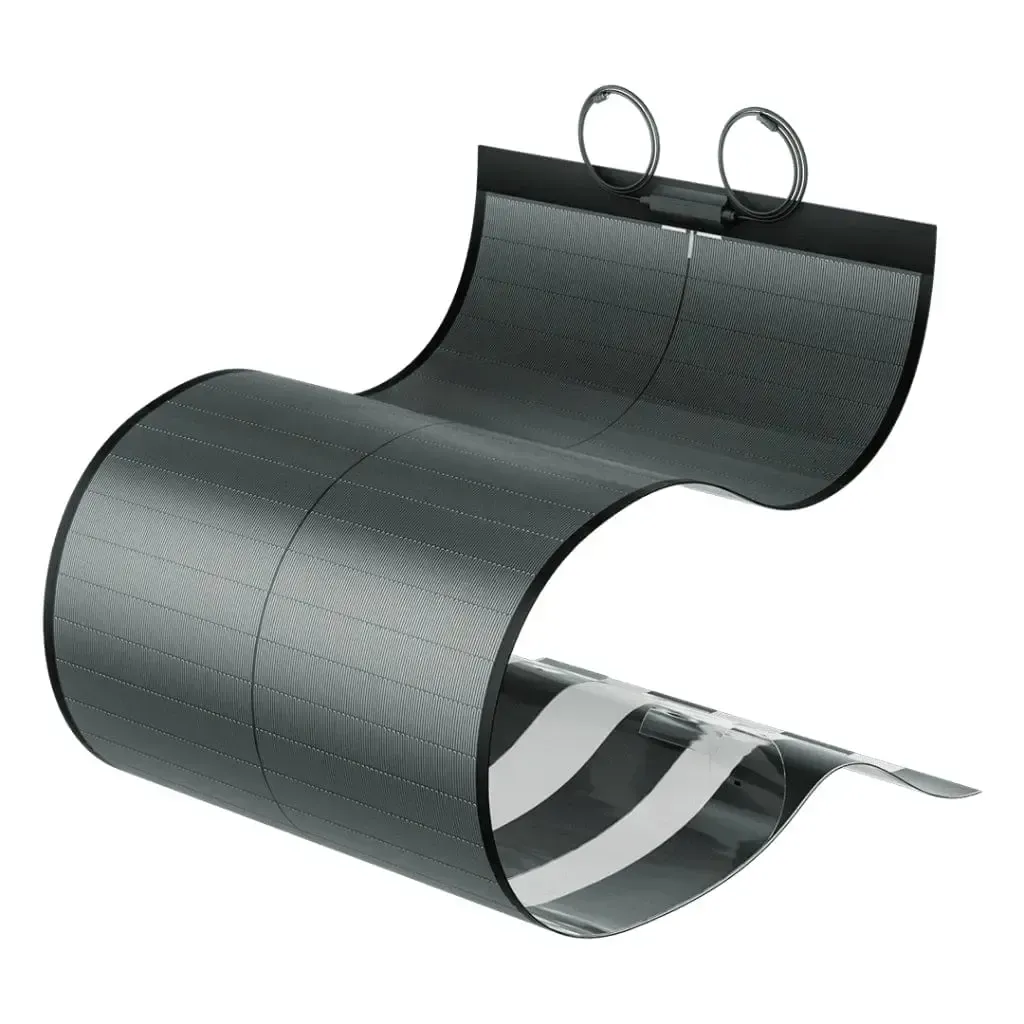
Keep your Garage Door Opener (Residential) running with solar • MPPT: 11– 50V • Max: 220W
 Official
 220W Panel
Adapter required: MC4 -> XT60i.
 Smart Value
 200W Panel
Adapter required: MC4 -> XT60i.
 Smart Value
 200W Panel
Adapter required: MC4 -> XT60i.
Yes. The EcoFlow RIVER 2 Pro provides 800W running / 1600W surge. The Garage Door Opener (Residential) needs 207W / 311W (including 15% buffer). That leaves 593W of running headroom and 1289W of surge margin.
Approximately 3.0 hours, based on the Garage Door Opener (Residential)'s 180W draw and the RIVER 2 Pro's 768Wh capacity (70% usable after real-world losses).
With 245W allocated to the Garage Door Opener (Residential), the RIVER 2 Pro still has ~215W of margin. These devices could run simultaneously:
Power Tip: To get the most out of your RIVER 2 Pro, keep it in a well-ventilated area. Extreme temperatures can slightly reduce the efficiency of the LFP/NMC cells.
Compare all 33 generators for the Garage Door Opener (Residential)
Ranked by budget, runtime, and overall compatibility.
Derived from variant list (max of variants). Running worst case = LiftMaster 8500W / 98022 (180W). Surge worst case = LiftMaster 8500W / 98022 (270W). All variants are DC motor wall-mount openers with electronic speed controllers — surge estimated at 1.5× running (gradual ramp-up, no hard inrush).
EcoFlow RIVER 2 Pro User Manual v1.0
Similar-output alternatives you can compare side by side.