1
Voltage Gate
PASSDevice output type must match generator output.
120V required -> 120V available
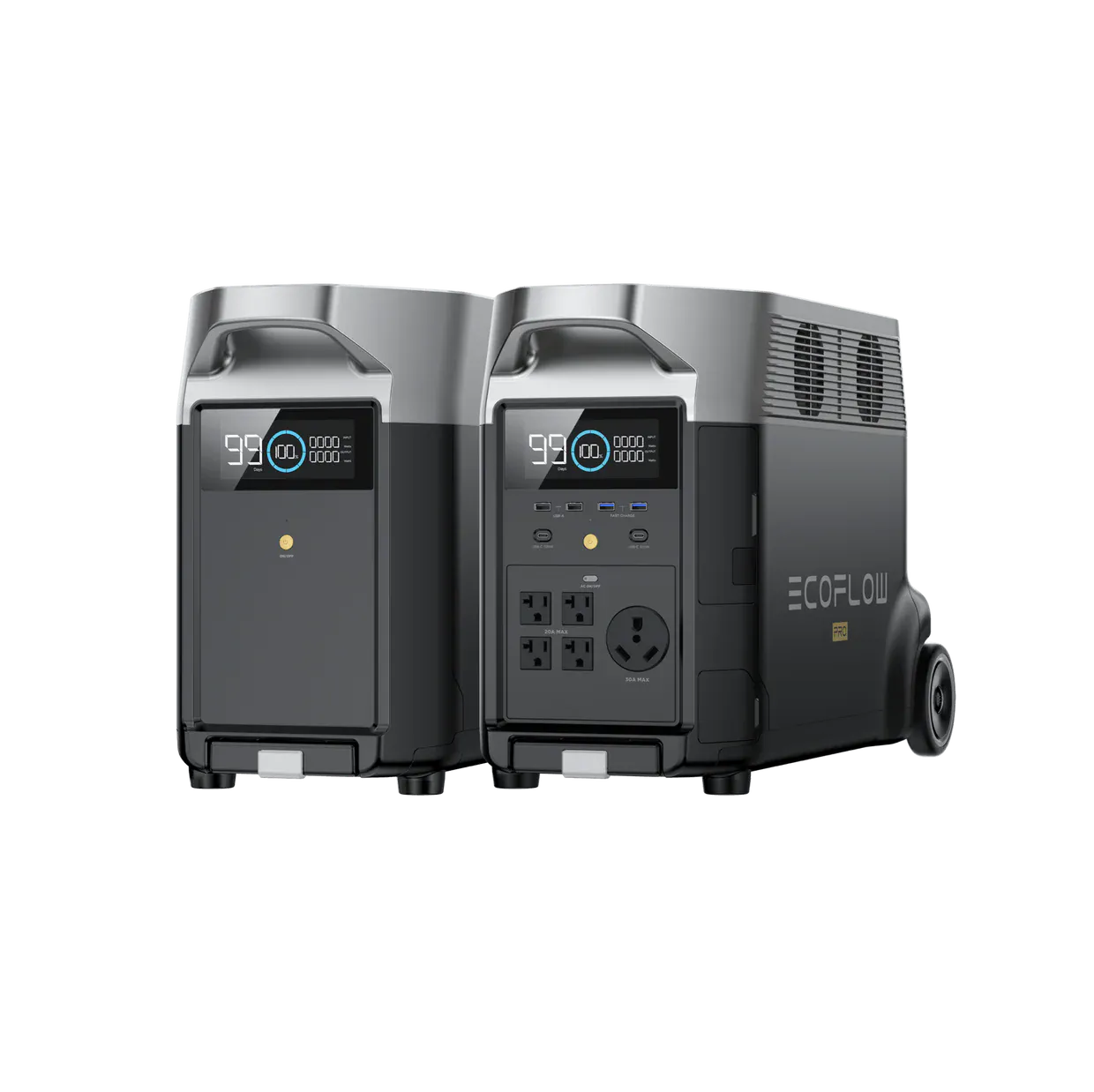
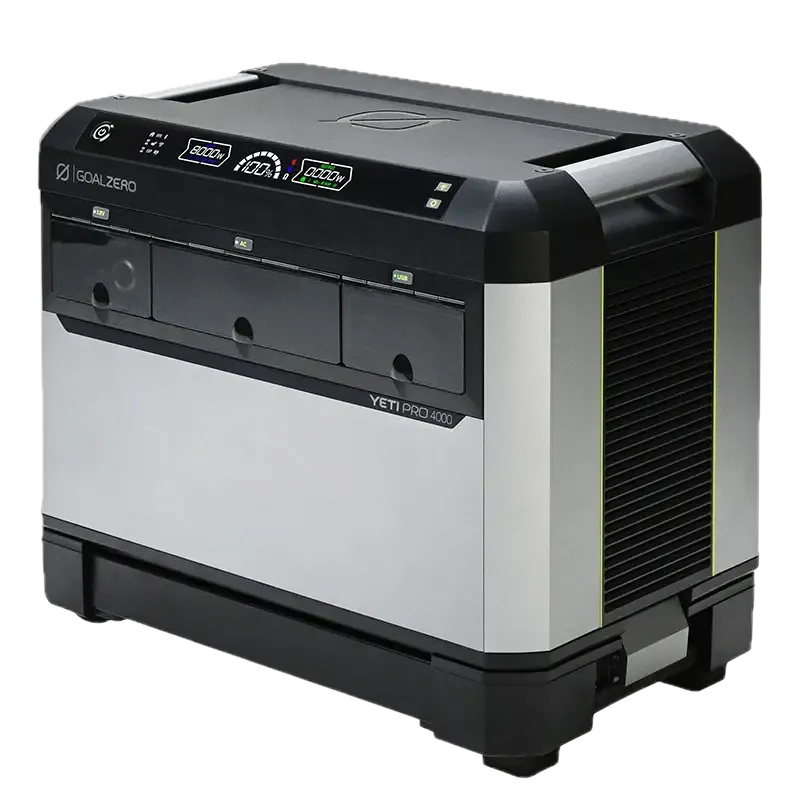
Yes - Pecron E3600LFP has enough running and surge power for the Laser Printer. Target ~779W running / 1431W surge; the generator provides 3600W / 7000W.
Same decision gates as the engine: voltage, running, surge. Runtime is shown as operational context.
Device output type must match generator output.
120V required -> 120V available
Continuous draw with safety buffer applied.
779W required -> 3,600W available (2,821W headroom)
Startup peak with safety buffer applied.
1,431W required -> 7,000W available (5,569W headroom)
Runtime context only. It does not change the electrical compatibility verdict.
Continuous estimate: 3.0h
Device profile reference: up to 0.1h per day.
Power bars show required versus available output for each gate.
View full compatibility reportQuick compatibility, required headroom, and model-specific context at a glance.
3 of 3 models are SAFE or TIGHT. Most demanding model: Canon imageCLASS LBP236dw (1,300W surge).
| Model | Running | Surge | Verdict | Runtime | Source |
|---|---|---|---|---|---|
| HP LaserJet Pro M110w | 361W | 361W | Safe | ~6.0h | OEM Manual |
Show expert analysisTechnical: **Running load:** 361 W. **Surge:** 361 W. Requires 120V AC output. Compact mono laser with a low-wattage fuser. HP publishes a single active printing value with no separate peak figure. Field note: The lightest laser printer load in this comparison. Most power stations rated 500W+ handle it without issue. Fuser warm-up happens quickly with no noticeable surge. Can I print from a portable power station during an outage? Yes — at 361W this is manageable for any power station rated 500W+ continuous at 120V. | |||||
| Brother HL-L2460DW | 470W | 920W | Safe | ~4.6h | OEM Manual |
Show expert analysisTechnical: **Running load:** 470 W (active printing). **Surge:** 920 W (fuser warm-up peak). Requires 120V AC output. The fuser heating element creates a brief high-draw spike each time the printer wakes from standby or starts a new job. Field note: The 920W fuser peak is the critical number for generator sizing. A 1000W-rated power station handles it, but a 500W station will trip on fuser warm-up even though sustained printing is only 470W. Why does my power station shut off when I start printing? The Brother HL-L2460DW draws 920W briefly during fuser warm-up. If your power station is rated under 1000W, it may trip on this peak even though sustained printing is only 470W. | |||||
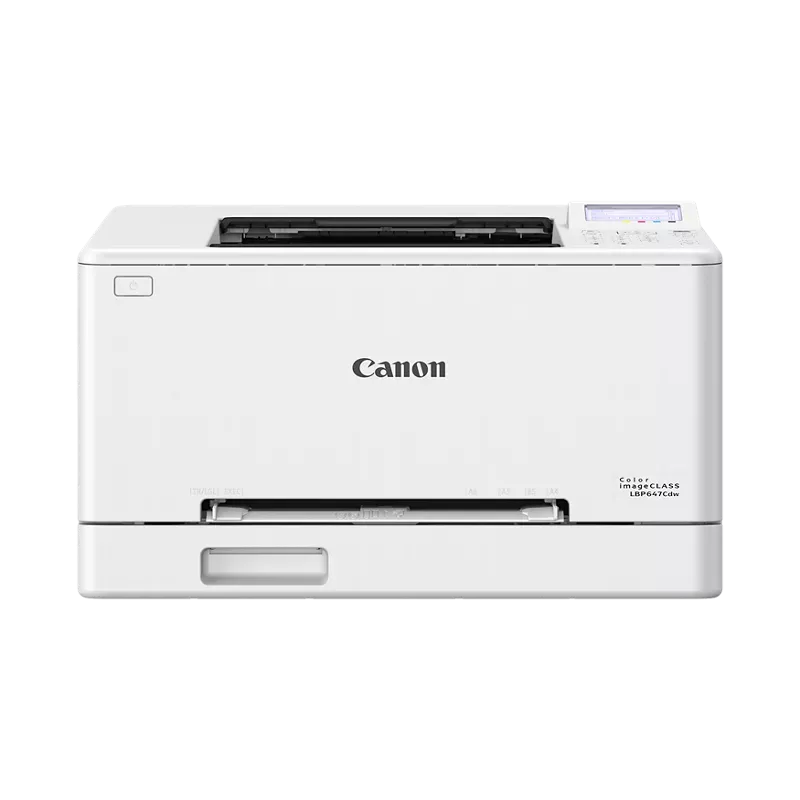
| Canon imageCLASS LBP236dw | 708W | 1,300W | Safe | ~3.0h | Engineering Est. |
Show expert analysisTechnical: **Running load:** 708 W (derived from 120V × 5.9A rated current). **Surge:** 1300 W (fuser warm-up peak, OEM published maximum). Requires 120V AC output. The 1300W peak draws 10.8A briefly — well above the 5.9A nominal rating. Field note: The 1300W fuser peak is the highest in this comparison. A 1500W power station is the minimum for reliable printing. Stations rated under 1300W will trip when the fuser warms up, even if the sustained 708W draw is within their continuous rating. Can a 1000W power station run this Canon printer? Not reliably — the fuser warm-up peaks at 1300W. You need a power station rated at least 1500W to handle the brief startup surge without tripping. | |||||
This unit ranks #20 of 26 compatible generators for this device by buffered margin (Overkill class).
26 of 33 generators are SAFE+TIGHT for Laser Printer.
Fit class uses buffered needs (running and surge) for this device.
Document Printing
Select Your Model:
Free Tools
The 7000W surge rating handles demanding startup loads including well pumps, air compressors, and window AC units. The dual 1200W MPPT controllers accept high-voltage panel strings (up to 150V), enabling efficient solar recharging in 1.5–2 hours with 2400W of panels. At 3072Wh base capacity, expect 8+ hours of runtime on moderate loads. The expansion to 15kWh rivals whole-home battery systems.
The E3600LFP uses LiFePO4 chemistry rated for 3,500+ cycles to 80% capacity. The 51.2V battery architecture and UPS function (8–20ms switchover) make it suitable for sensitive electronics and home backup. The TT30-R RV outlet follows NEMA standards for safe 30A connections. Source: Pecron official US product page (manufacturer documentation).
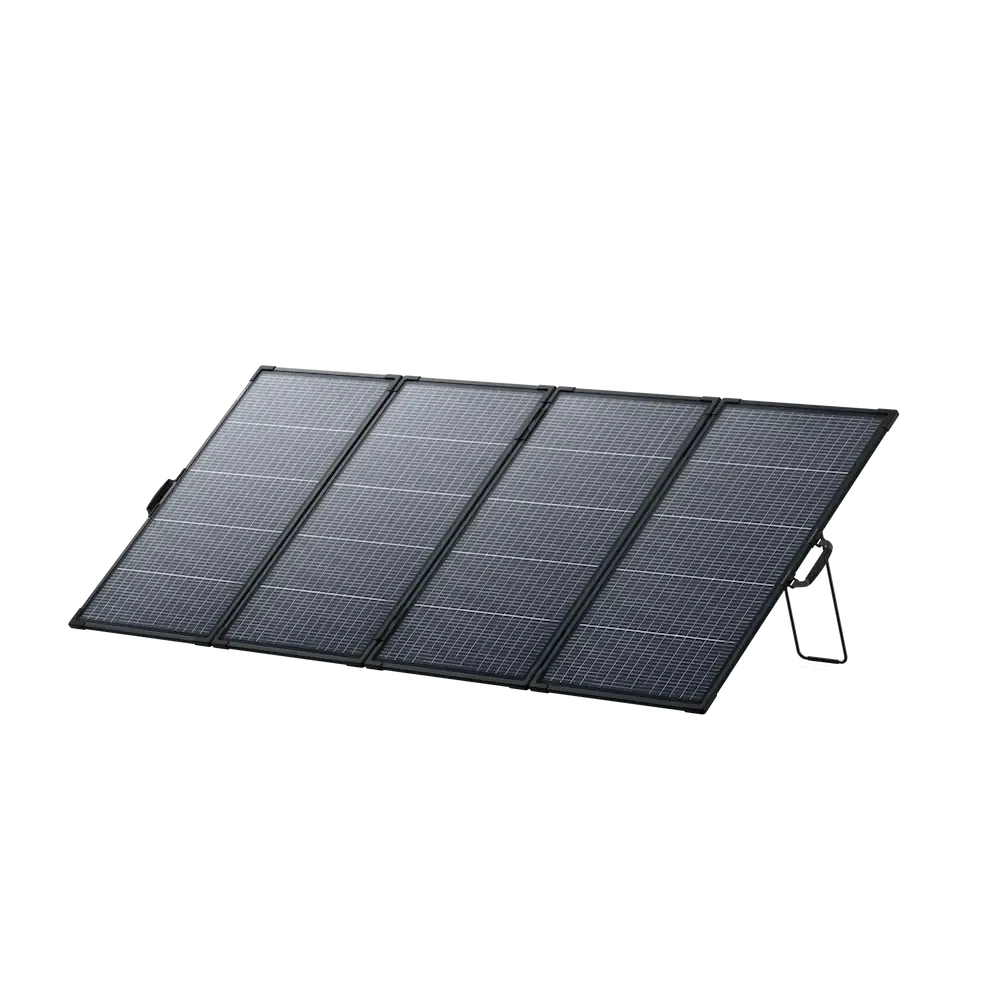
Keep your Laser Printer running with solar • MPPT: 32– 150V • Max: 2400W
 Smart Value
 400W Panel
Adapter required: MC4 -> XT60.
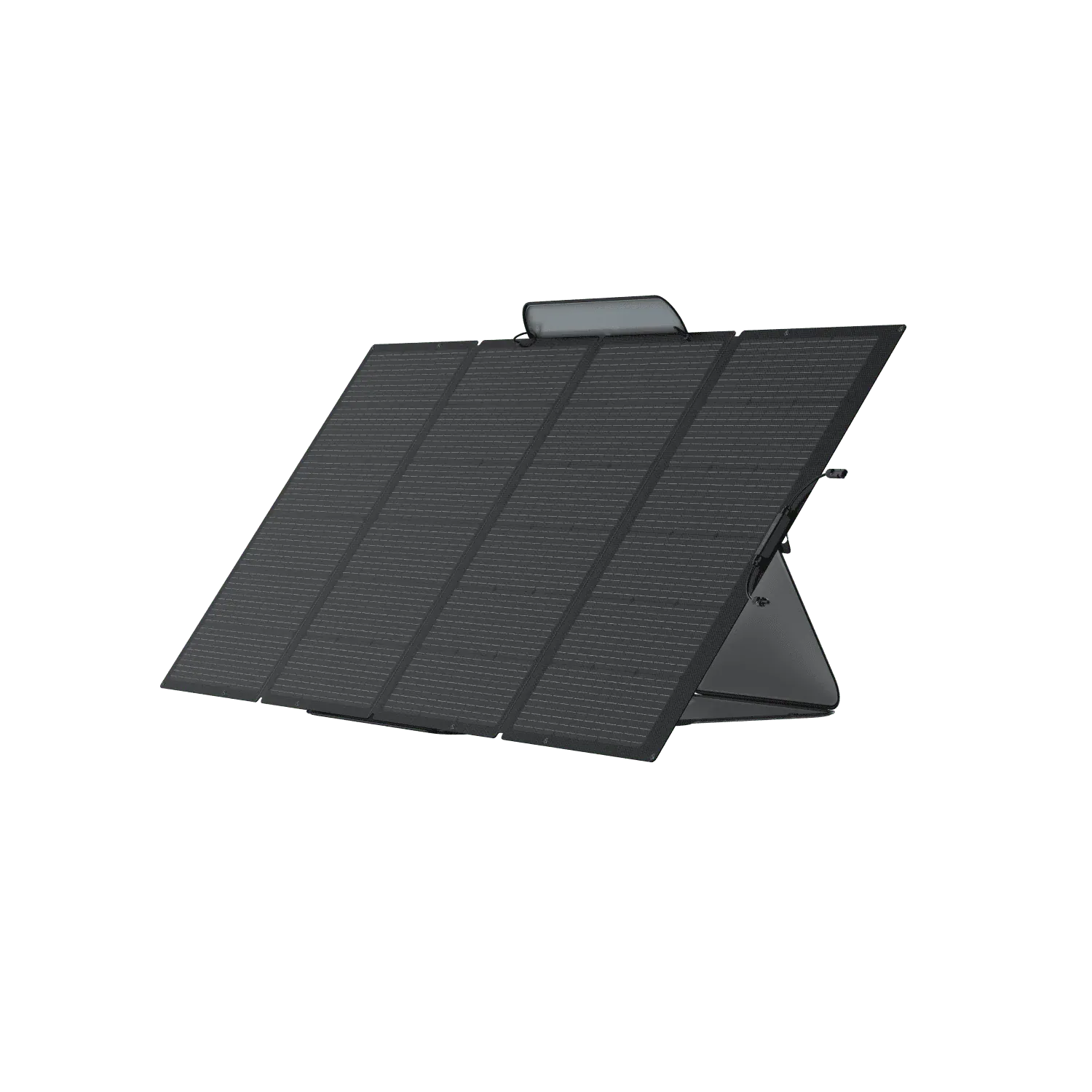 Smart Value
 400W Panel
Adapter required: MC4 -> XT60.
Yes. The Pecron E3600LFP provides 3600W running / 7000W surge. The Laser Printer needs 779W / 1431W (including 10% buffer). That leaves 2821W of running headroom and 5569W of surge margin.
Approximately 3.0 hours, based on the Laser Printer's 708W draw and the Pecron E3600LFP's 3072Wh capacity (70% usable after real-world losses).
With 440W allocated to the Laser Printer, the Pecron E3600LFP still has ~1732W of margin. These devices could run simultaneously:
Power Tip: To get the most out of your Pecron E3600LFP, keep it in a well-ventilated area. Extreme temperatures can slightly reduce the efficiency of the LFP/NMC cells.
Compare all 33 generators for the Laser Printer
Ranked by budget, runtime, and overall compatibility.
Derived from variant list (max of variants). Running worst case = Canon imageCLASS LBP236dw (708W from V×A: 120V × 5.9A). Surge worst case = Canon imageCLASS LBP236dw (1300W fuser warm-up peak).
Pecron E3600LFP Official Product Page (US) — full specifications
Similar-output alternatives you can compare side by side.