1
Voltage Gate
FAILDevice output type must match generator output.
240V required -> 120V available
Hard no: this device is 240V only, and the generator does not supply that output.
Same decision gates as the engine: voltage, running, surge. Runtime is shown as operational context.
Blocking reason: voltage mismatch. Downstream gates are paused until voltage is compatible.
Device output type must match generator output.
240V required -> 120V available
Continuous draw with safety buffer applied.
Blocked by voltage mismatch.
Startup peak with safety buffer applied.
Blocked by voltage mismatch.
Runtime context only. It does not change the electrical compatibility verdict.
N/A due to voltage mismatch.
Power bars show required versus available output for each gate.
See generators that pass nativelyQuick compatibility, required headroom, and model-specific context at a glance.
0 of 3 models are SAFE or TIGHT. Most demanding model: GE GTD38EASWWS (5,600W surge).
| Model | Running | Surge | Verdict | Runtime | Source |
|---|---|---|---|---|---|
| Samsung DVE45T3200W | 5,300W | 5,300W | Voltage Fail | — | OEM Manual |
Show expert analysisTechnical: **Running load:** 5300 W. **Surge:** 5300 W. Requires 240V split-phase. No additional inrush current observed beyond steady-state draw. Your power station must sustain 5300 W continuous output at 240V. Field note: Verify your power station's 240V receptacle is rated for sustained 5300 W loads. Undersized outlets or inverters will trip under this continuous draw. Can I run this dryer on a portable power station? Only if your power source provides 240V split-phase output and can supply 5300W continuous and 5300W surge. Most consumer units lack this capacity. | |||||
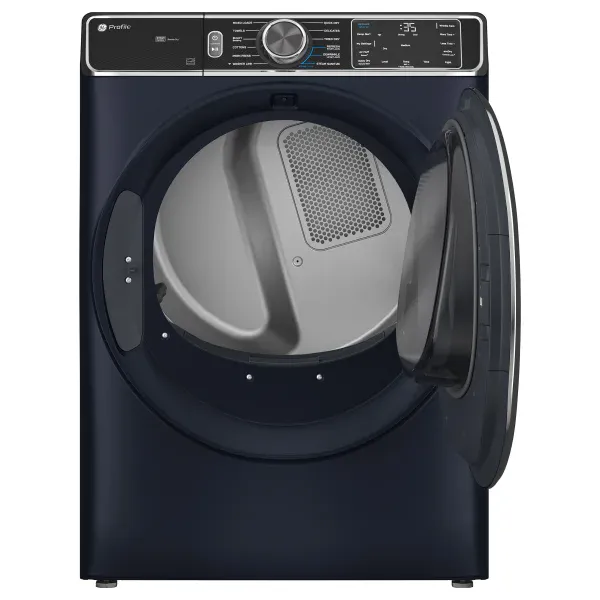
| GE GTD38EASWWS | 5,600W | 5,600W | Voltage Fail | — | OEM Manual |
Show expert analysisTechnical: **Running load:** 5600 W continuous at 240V. **Surge:** 5600 W (no motor spike observed). Requires split-phase 240V output. Most portable power stations provide 120V only. Field note: Confirm your power station supports split-phase 240V before attempting connection. Single 120V outlets cannot supply this appliance. Can I run this dryer on a portable power station? Only if your power source provides 240V split-phase output and can supply 5600W continuous and 5600W surge. Capacity must exceed 5600 Wh for one full cycle. | |||||
| LG DLEX4000W | 4,784W | 4,784W | Voltage Fail | — | OEM Manual |
Show expert analysisTechnical: **Running load:** 4784W at 240V split-phase. **Surge:** 4784W (resistive heating element, no motor surge). Requires a power station capable of continuous 240V output at this wattage. Field note: Verify your power station can sustain 4784W continuously on 240V. Many portable units lack the required voltage configuration or sustained wattage capacity. Can I run this dryer on a portable power station? Only if your power source provides 240V split-phase output and can supply 4784W continuous and 4784W surge. | |||||
This unit is outside the compatible set; 3 of 33 generators pass SAFE/TIGHT for this device.
3 of 33 generators are SAFE+TIGHT for Electric Clothes Dryer.
Fit class uses buffered needs (running and surge) for this device.
Clothes Drying Cycle
Select Your Model:
This device typically needs 240V split-phase or a hardwired connection. Most portable stations are 120V-only. Verify the plug type and voltage on the device label/manual before purchase.
These generators meet Electric Clothes Dryer's voltage, running, and surge requirements.
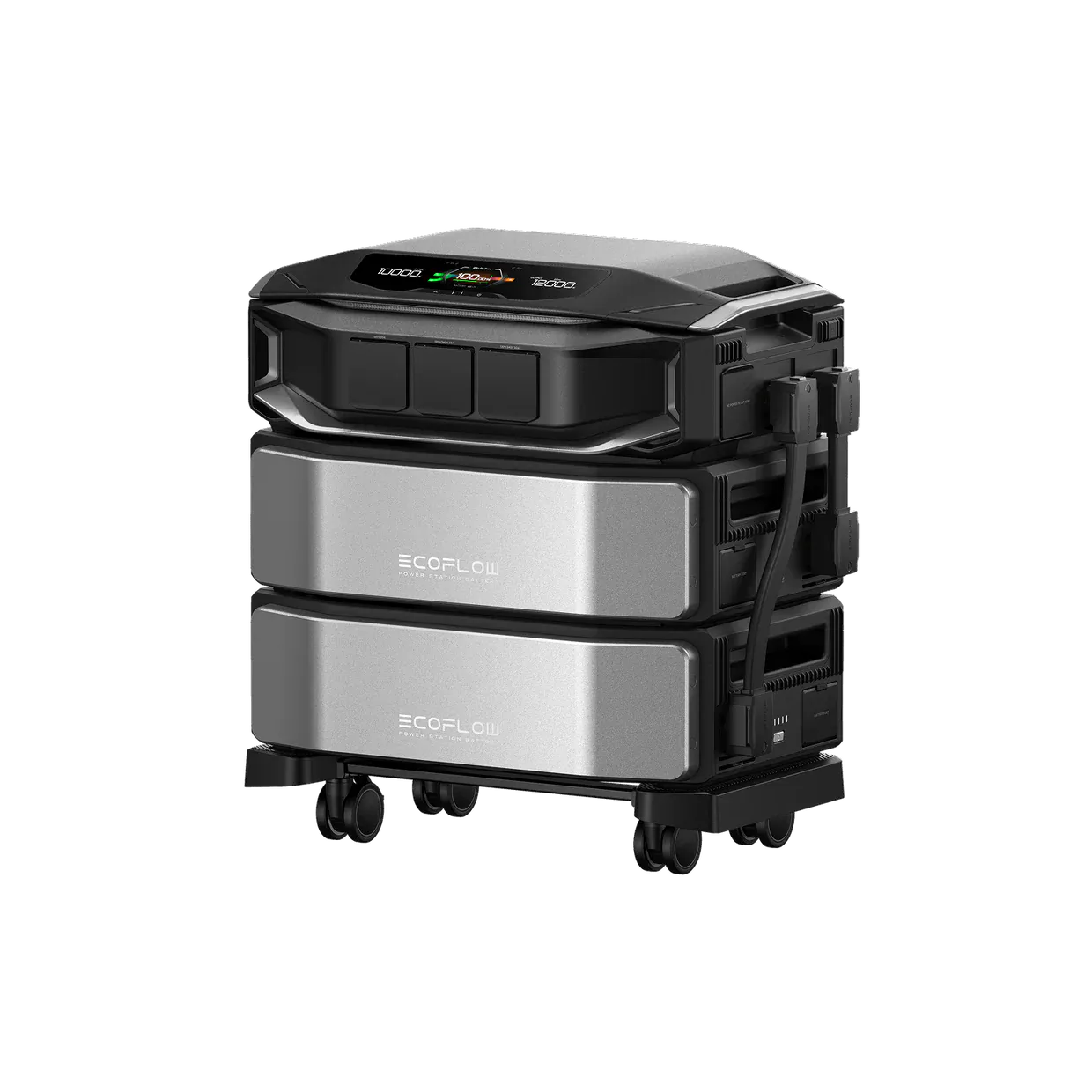
12000W • 6144Wh
Lowest capacity that still clears surge + running load.
Free Tools
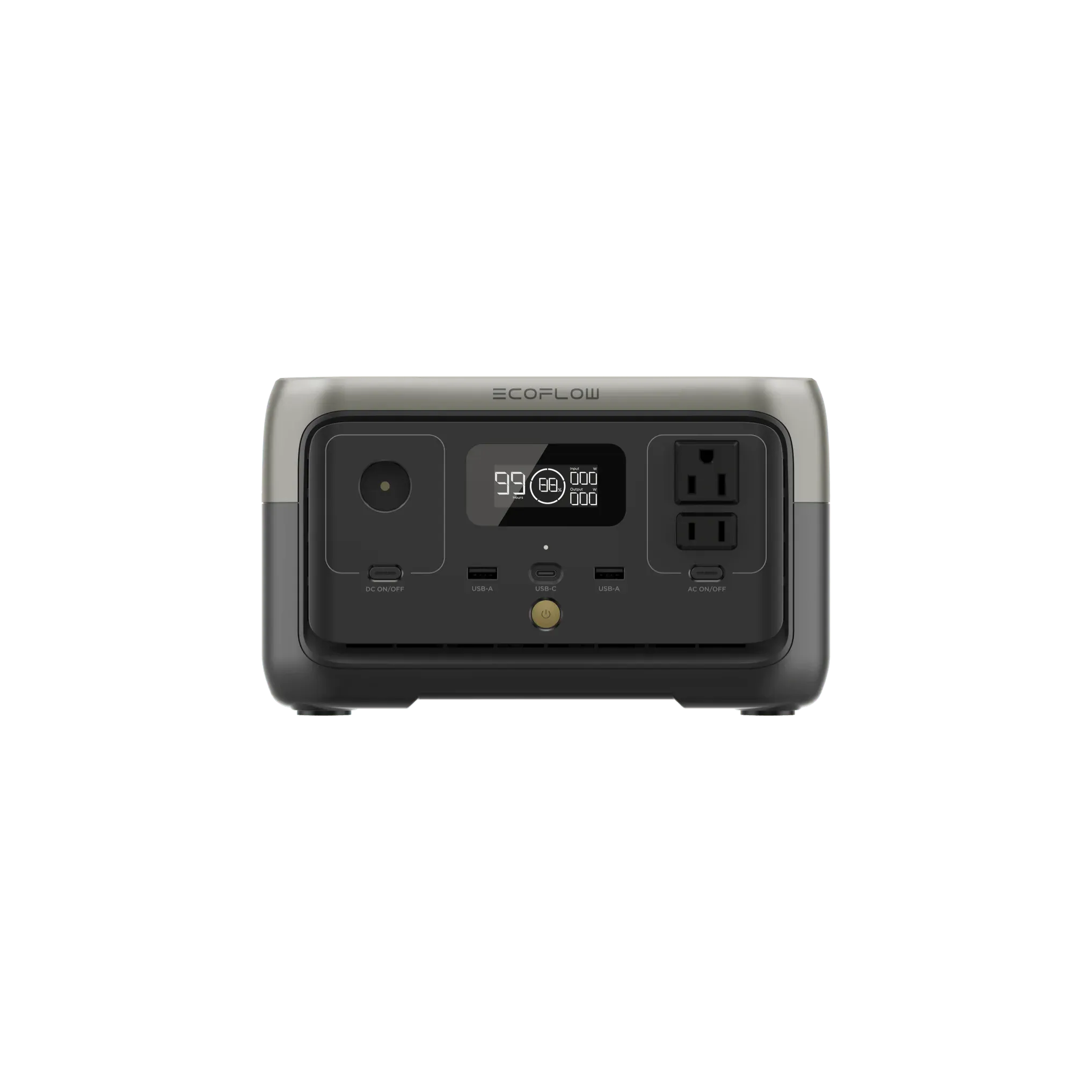
The 600W surge rating can handle typical startup loads from small compressor-driven appliances like mini fridges and air tools. It can support motor-driven devices that require momentary inrush current during ignition. At 245Wh total capacity, expect limited runtime on continuous loads near the 300W ceiling.
LFP chemistry provides stable operation under load cycling. The unit accommodates brief inrush events up to 600W for equipment startup. Source: EcoFlow RIVER 3 User Manual v1.0 (manufacturer documentation).
No. The Electric Clothes Dryer requires 240V output, but the EcoFlow RIVER 3 provides 120V only. No amount of extra wattage can fix a voltage mismatch — you need a power source with 240V split-phase output.
No reliable runtime estimate — this pairing is not compatible. The EcoFlow RIVER 3 cannot safely power the Electric Clothes Dryer. See compatible alternatives above for power stations that meet this device's requirements.
Efficiency Hack: Large appliances like the Electric Clothes Dryer cycle on and off. To maximize the 0 hours of runtime, try to minimize how often you open the device or introduce heat loads.
Compare all 33 generators for the Electric Clothes Dryer
Ranked by budget, runtime, and overall compatibility.
Derived from variant list (max of variants). Running worst case = GE GTD38EASWWS (5600W). Surge = running (resistive heating element — no motor inrush).
EcoFlow RIVER 3 User Manual (2024-09-11)