1
Voltage Gate
PASSDevice output type must match generator output.
120V required -> 120V available
1 of 3 models are compatible with this generator.
Jump to model-specific results ↓Same decision gates as the engine: voltage, running, surge. Runtime is shown as operational context.
Device output type must match generator output.
120V required -> 120V available
Continuous draw with safety buffer applied.
1,813W to 2,235W required -> 3,000W available (765W to 1,187W headroom)
Startup peak with safety buffer applied.
6,124W to 11,070W required -> 6,000W available (124W to 5,070W short)
Alternative startup path with reduced inrush.
4,982W required -> 6,000W available (1,018W headroom)
Runtime context only. It does not change the electrical compatibility verdict.
Continuous estimate: 1.2h
Device profile reference: up to 6h per day.
Power bars show required versus available output for each gate.
View full compatibility reportQuick compatibility, required headroom, and model-specific context at a glance.
1 of 3 models are SAFE or TIGHT. Most demanding model: Dometic Brisk II B57915.71X (13,500 BTU) (8,856W surge).
| Model | Running | Surge | Verdict | Runtime | Source |
|---|---|---|---|---|---|
| Dometic Brisk II B57915.71X (13,500 BTU) | 1,788W | 8,856W | Soft Start | ~1.2h | OEM Manual |
Show expert analysisTechnical: This 13,500 BTU rooftop unit is a high continuous compressor load. Using OEM current and locked-rotor values, modeled running demand is 1788W with OEM-derived startup demand at 8856W. Field note: For RV battery systems, this is a realistic upper-bound 13.5k BTU profile to test first before selecting any smaller rooftop AC model. Can a portable power station run a 13,500 BTU RV rooftop AC? Only if it can cover this profile at 120V: 1788W running and 8856W startup (or equivalent soft-start handling). In practice, startup headroom is usually the limiting factor. | |||||
| Coleman-Mach 8 Plus (13,500 BTU) | 1,633W | 4,899W | Tight | ~1.3h | NEC Standard |
Show expert analysisTechnical: Coleman-Mach 8 Plus sits in the same rooftop AC class but with slightly lower modeled continuous draw than the Dometic worst case in this set. Field note: Treat this as a serious RV cooling load, not a light camping appliance. Prioritize surge headroom before runtime calculations. Can a portable power station run a 13,500 BTU RV rooftop AC? Only if it can cover this profile at 120V: 1788W running and 8856W startup (or equivalent soft-start handling). In practice, startup headroom is usually the limiting factor. | |||||
| Airxcel Mach 10 45203-8*6 (13,500 BTU) | 1,450W | 7,245W | Soft Start | ~1.5h | OEM Manual |
Show expert analysisTechnical: Mach 10 provides an OEM direct running watt value in the 13.5k BTU class, making it a useful mid-range benchmark for RV rooftop cooling. Field note: When comparing stations, check both sustained inverter output and startup tolerance. One without the other is not sufficient for rooftop AC duty. Can a portable power station run a 13,500 BTU RV rooftop AC? Only if it can cover this profile at 120V: 1788W running and 8856W startup (or equivalent soft-start handling). In practice, startup headroom is usually the limiting factor. | |||||
This unit is borderline without mitigation; 3 of 33 generators meet SAFE/TIGHT margins for this device.
3 of 33 generators are SAFE+TIGHT for RV Rooftop AC (13,500 BTU).
Fit class uses buffered needs (running and surge) for this device.
RV Rooftop Cooling (Boondocking)
Select Your Model:
RVs often use a 30A plug. If the station only has standard outlets, you may need an adapter and will be limited to standard outlet power (~1800W).
Free Tools
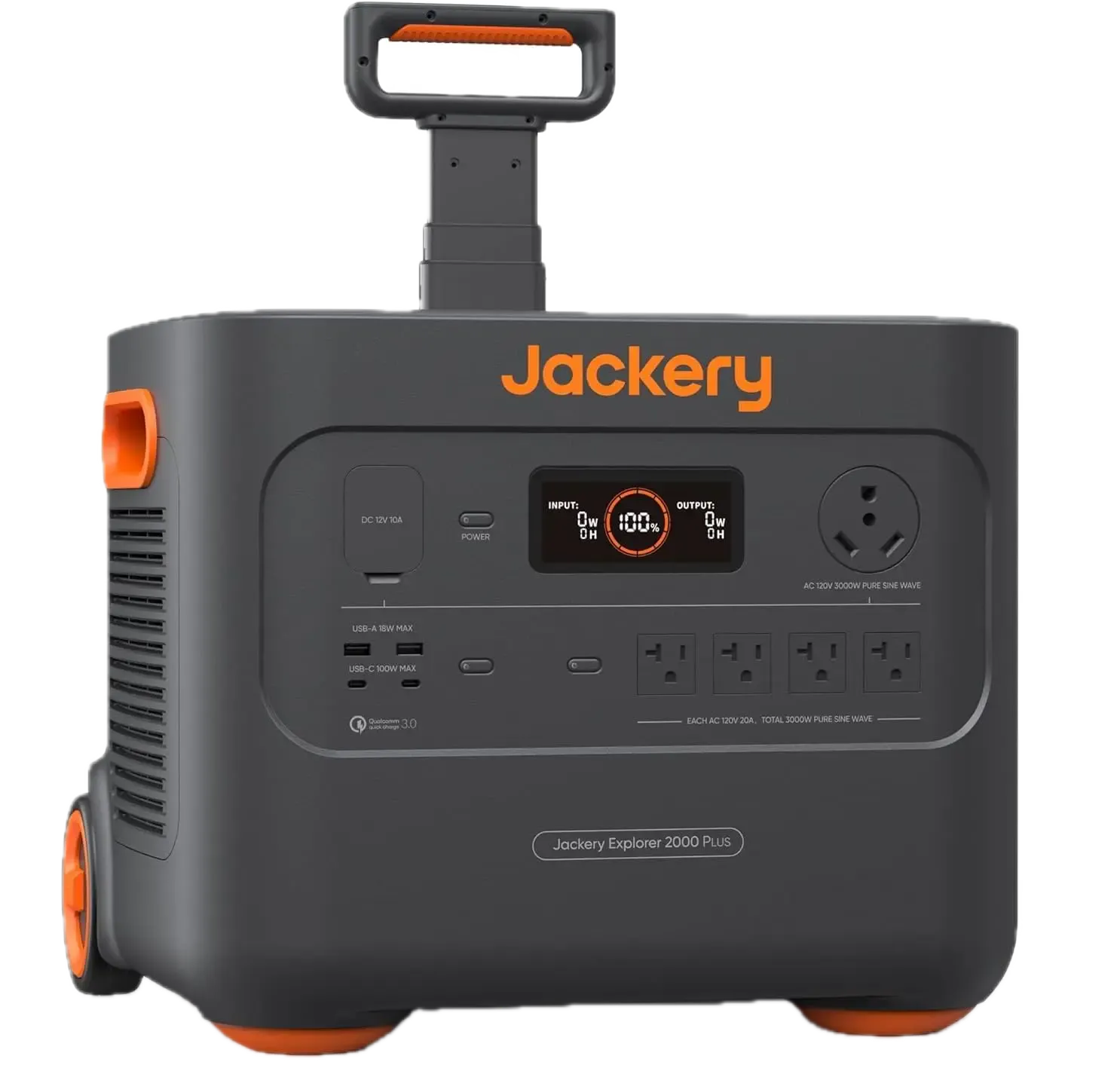
The 6000-watt surge capacity can handle typical compressor startup loads found in central AC units, well pumps, and refrigeration equipment. The 3000-watt continuous rating can support multiple simultaneous circuits during outages. This power profile suits households requiring reliable backup for motor-driven and resistive loads without relying on fuel-based generators.
This unit uses NMC chemistry and provides 3024 watt-hours of stored energy. Source: Market Data (January 2026), not OEM-listed (listed source reference). Consumers should follow all manufacturer operating instructions and confirm compatibility with their specific appliances before deployment.
Keep your RV Rooftop AC (13,500 BTU) running with solar • MPPT: 17.5– 60V • Max: 1400W
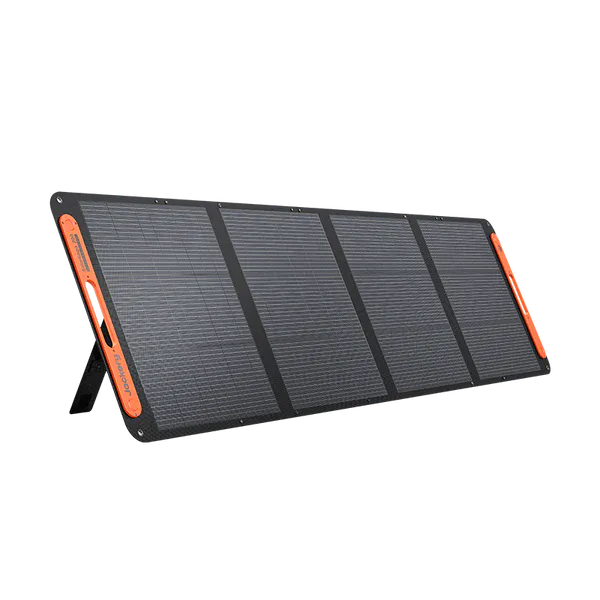 Official
 200W Panel
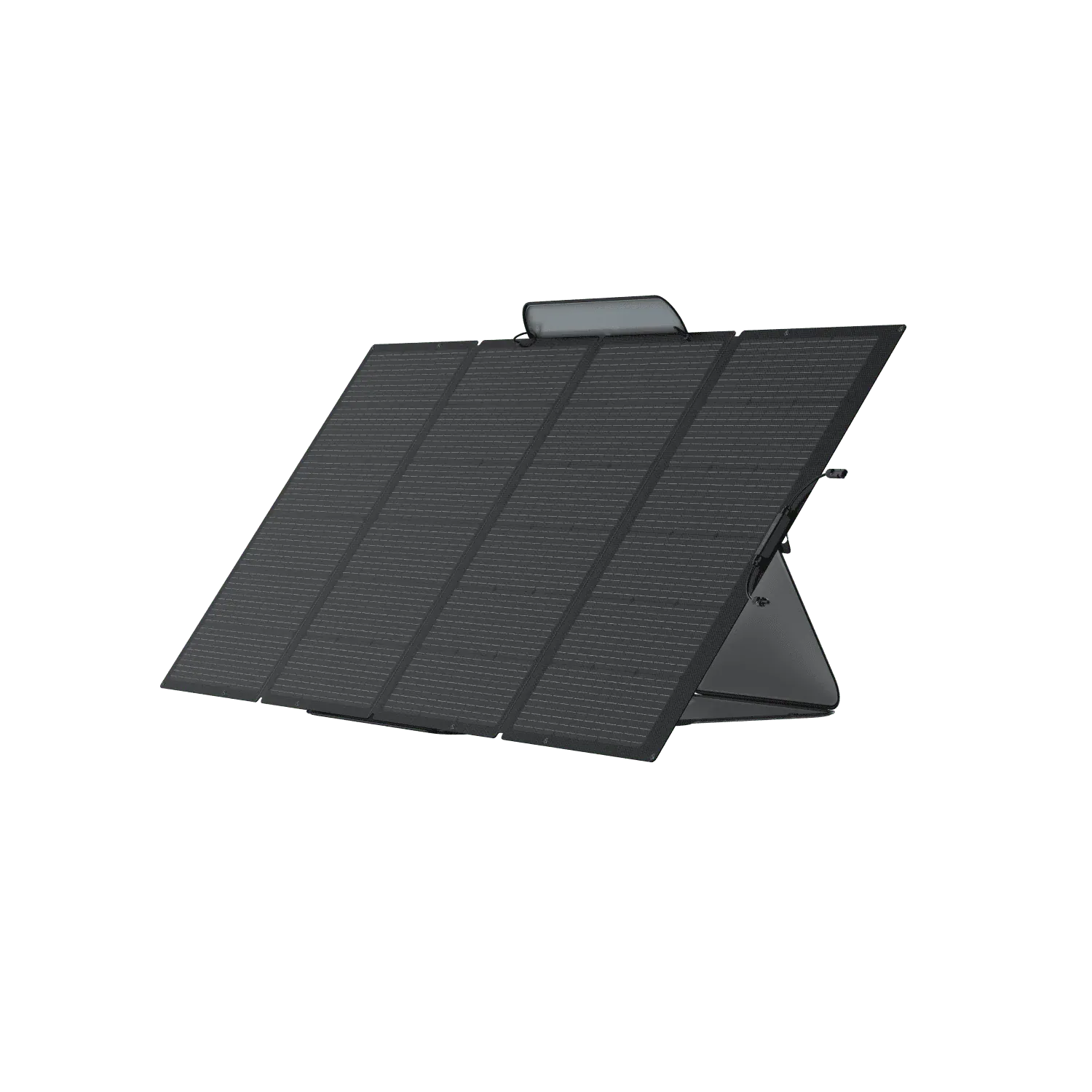 Smart Value
 400W Panel
Adapter required: MC4 -> DC8020.
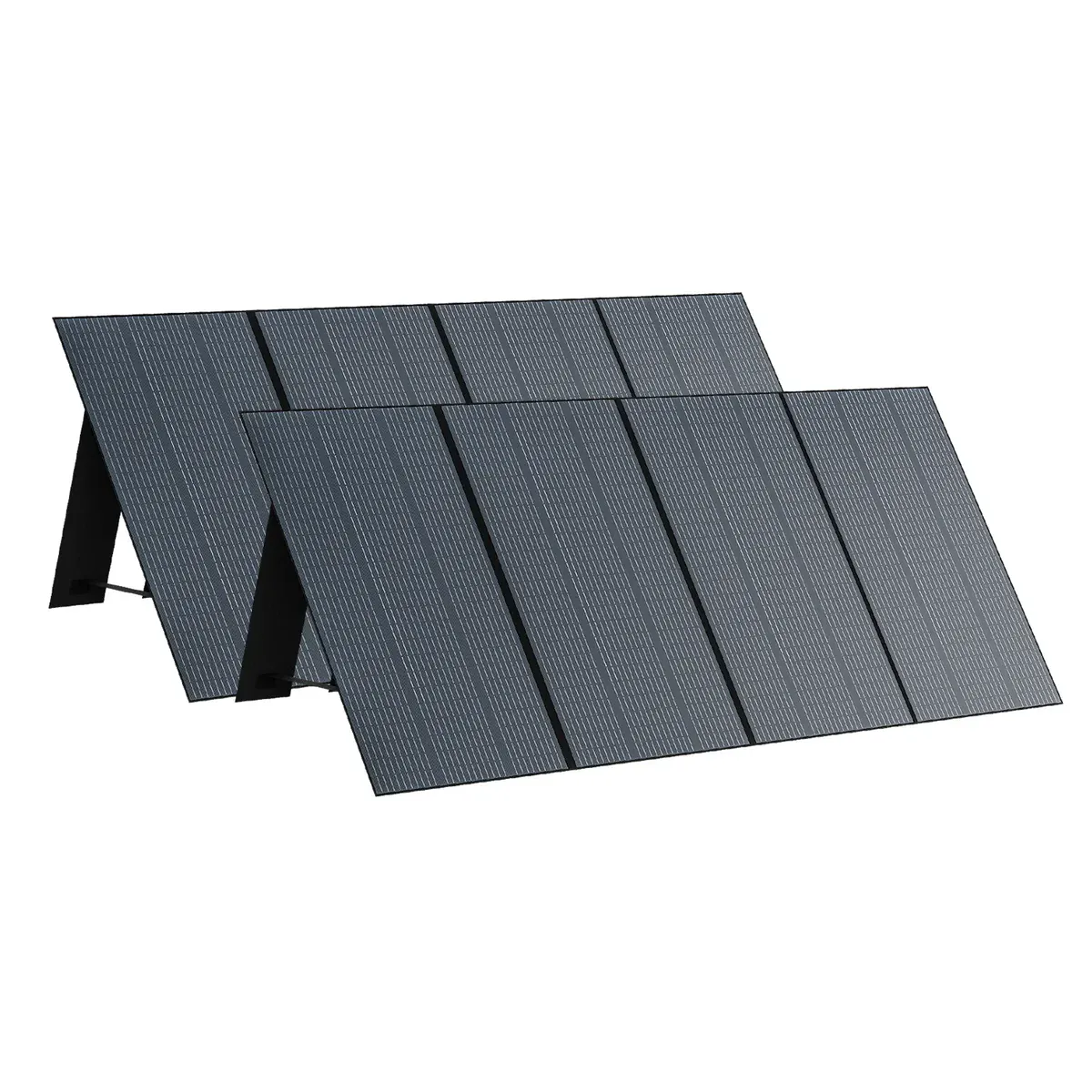 Smart Value
 350W Panel
Adapter required: MC4 -> DC8020.
It depends on the model. 1 of 3 RV Rooftop AC (13,500 BTU) models are compatible with the Jackery Explorer 3000 Pro. See the model-specific results table for exact verdicts per model.
It depends on the model. Compatible models run approximately 1.2–1.5 hours on the Explorer 3000 Pro. 0 of 3 models are not compatible. See the model-specific results for details.
With 280W allocated to the RV Rooftop AC (13,500 BTU), the Explorer 3000 Pro still has ~332W of margin. These devices could run simultaneously:
Power Tip: To get the most out of your Explorer 3000 Pro, keep it in a well-ventilated area. Extreme temperatures can slightly reduce the efficiency of the LFP/NMC cells.
Compare all 33 generators for the RV Rooftop AC (13,500 BTU)
Ranked by budget, runtime, and overall compatibility.
Derived from variant list (max of variants). Running worst case = Dometic Brisk II B57915.71X (1788W from 120V x (12.4A compressor + 2.5A fan)). Surge worst case = Dometic Brisk II B57915.71X (8856W from 120V x (68.0A compressor LRA + 5.8A fan locked rotor amps) from OEM table).
Jackery Explorer 3000 Pro User Manual
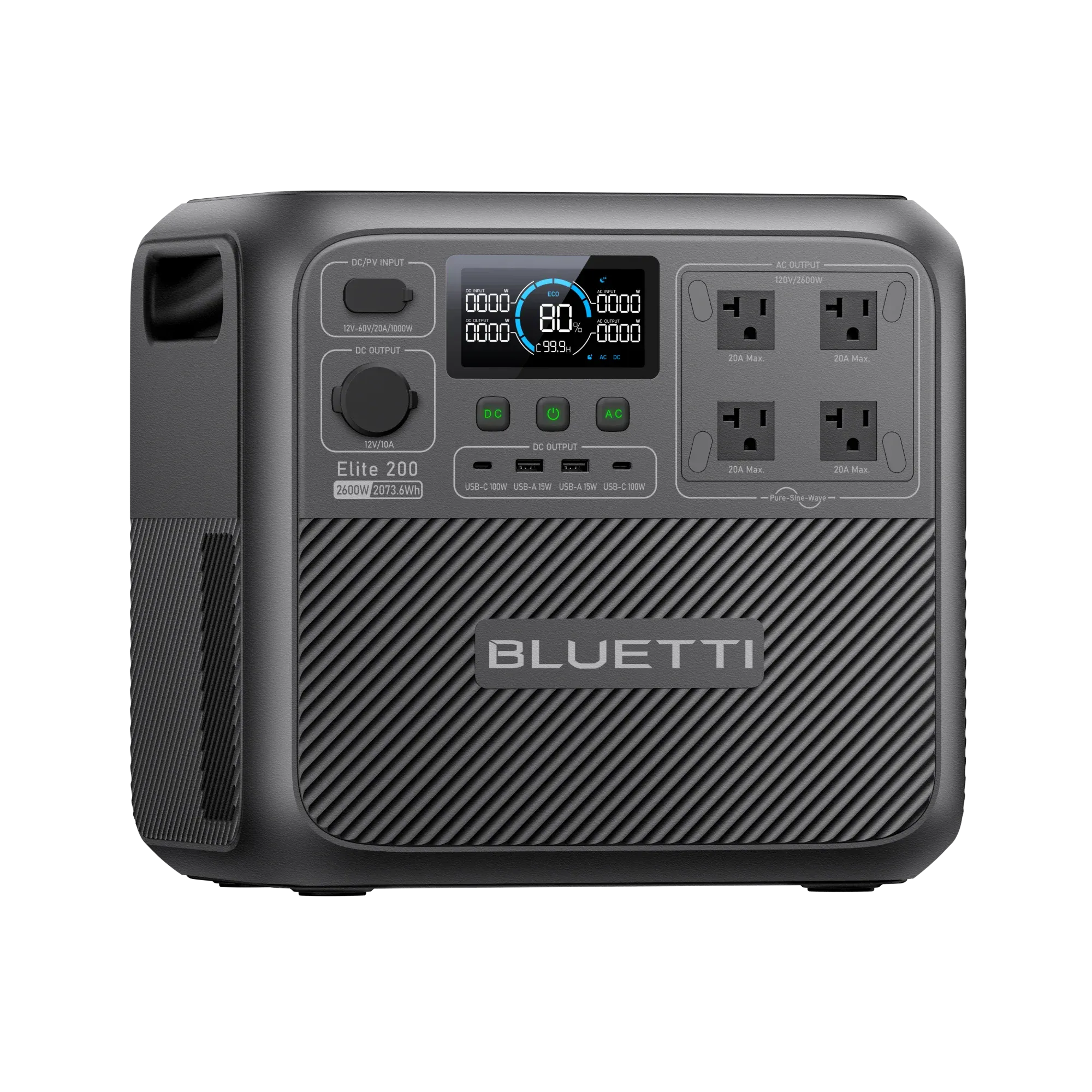
Similar-output alternatives you can compare side by side.